A Halloween Horror Nights-Style Horror Attraction
SNOW: The Fairest
Concept Design, Technical Design, Renderings, Documentation (Solo Project)
Halloween Horror Nights Attraction Concept
10 weeks
Procreate, Photoshop, Sketchup, Enscape, Figma, Illustrator, InDesign
Project Overview
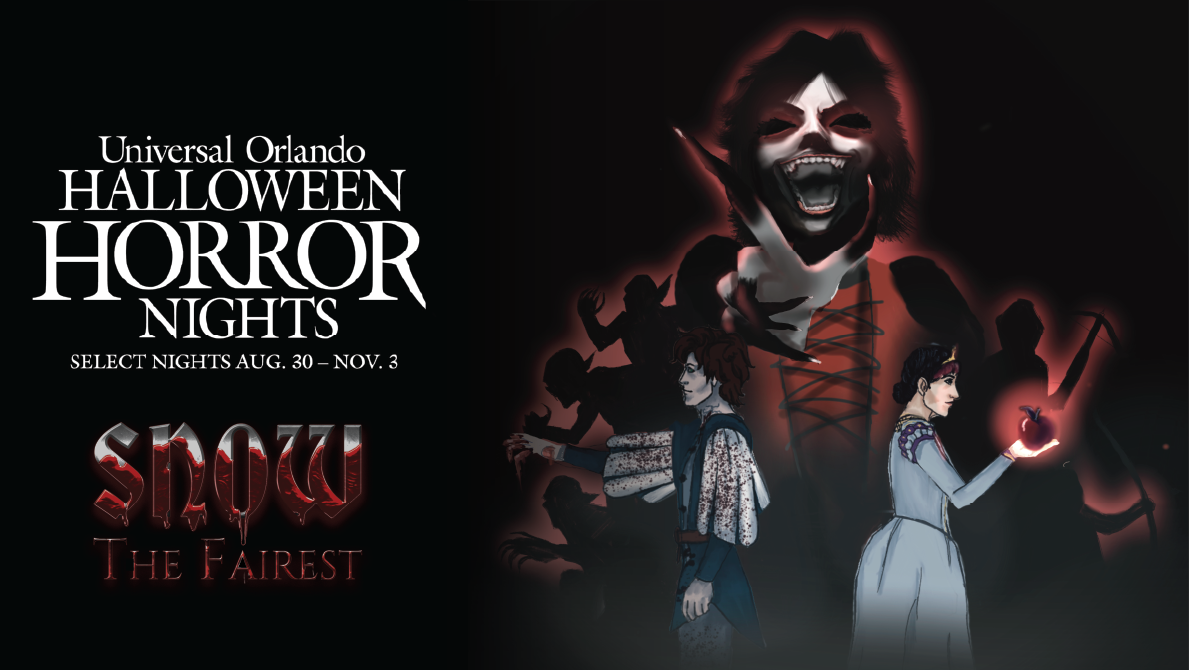
"Snow: The Fairest" subverts the classic fairy tale into a visceral horror experience for Universal Orlando's Halloween Horror Nights. In this twisted retelling, Snow White is a feral child vampire terrorizing a kingdom, while the Queen becomes the unlikely hero attempting to stop her reign of terror. This comprehensive design portfolio piece—presented to Disney Legend Bob Weis—demonstrates end-to-end attraction development from concept through operational specifications.
Key Achievements
10-scene, 440-foot
walkthrough attraction
Designed
Calculated operational capacity:
840
guests/hour
Created
photoreal
environmental renderings
Developed complete
technical documentation
The Challenge
The Brief: Design an immersive experience based on a fairy tale, myth, or legend—no existing IP.
My Approach
Rather than create an unbounded concept that could never be built, I chose to design within real-world constraints. I gave myself the parameters of a Halloween Horror Nights attraction at Universal Orlando because constraints drive better creative solutions (and because I'm a longtime admirer of the event's storytelling - I want to create a love letter to all the things that make HHN special).
Self-Imposed Design Parameters
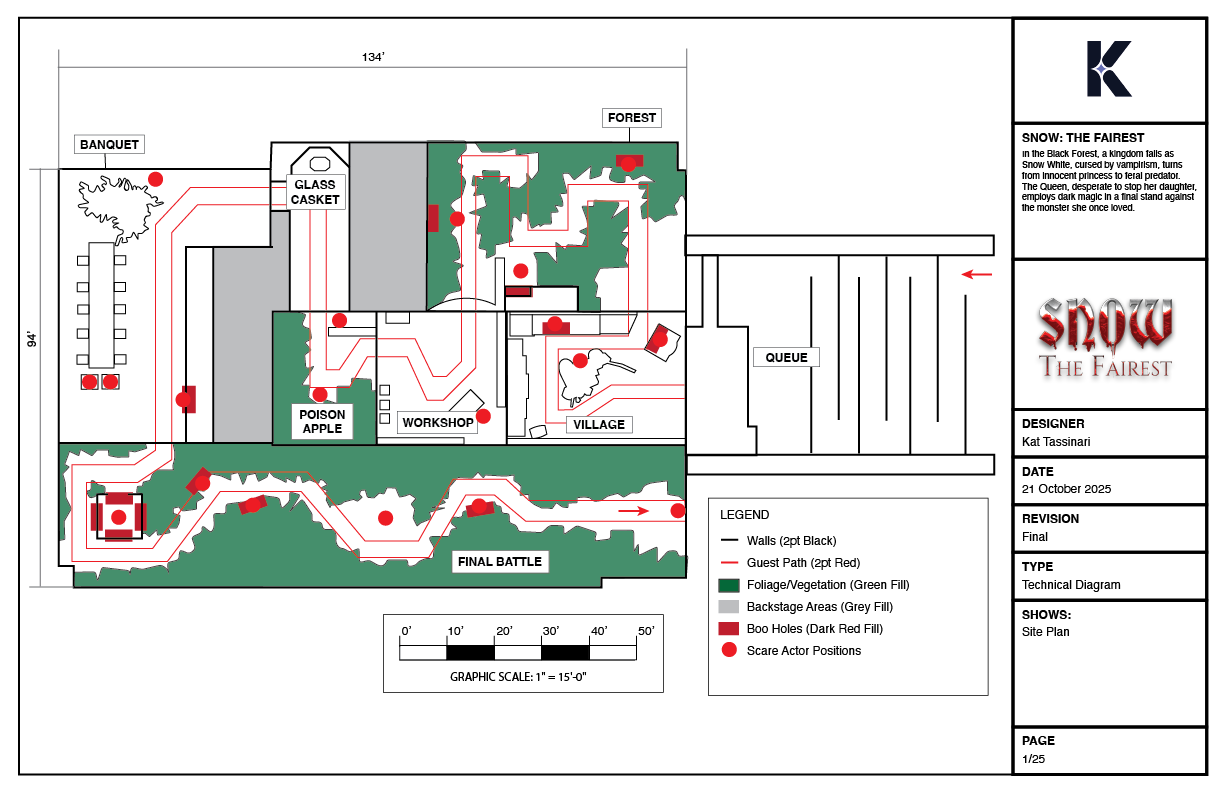
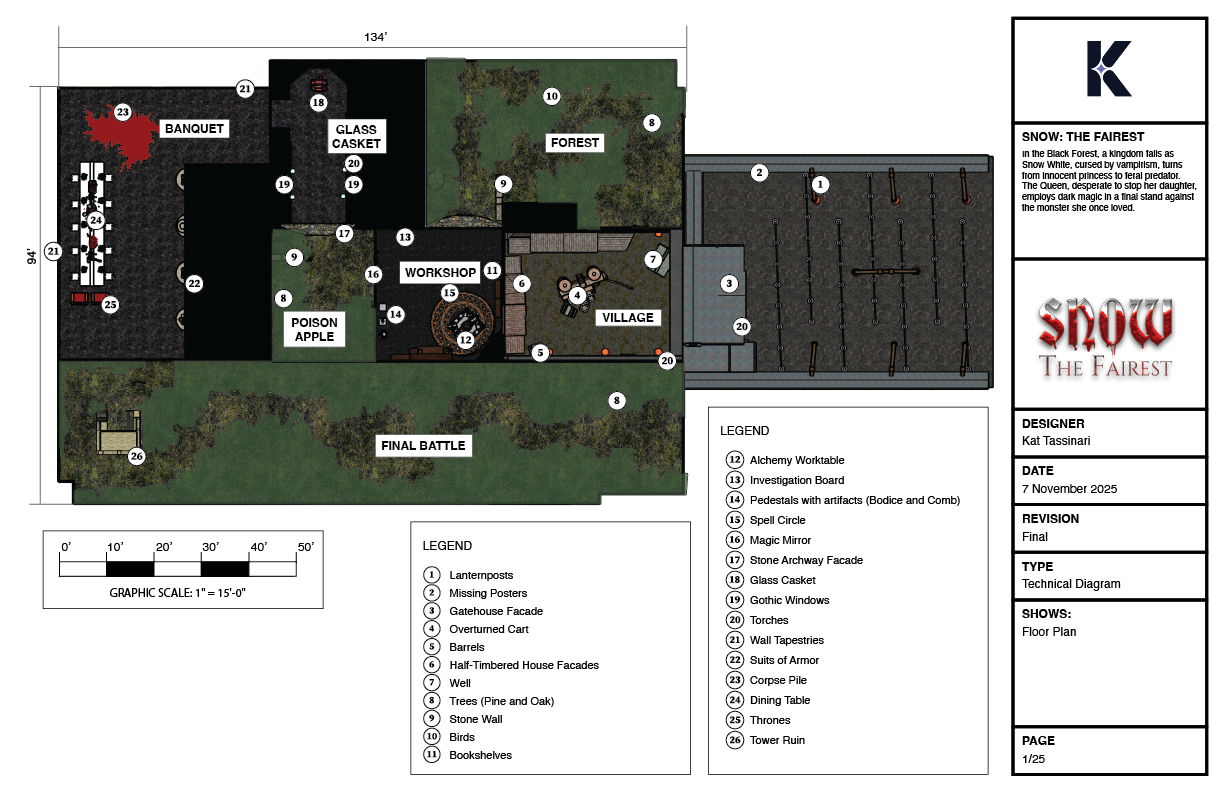
- Work within a standard Universal soundstage envelope (94' × 134', ~8,500 sq ft walkable space) - I found a CAD file online of the soundstage for reference!
- Achieve an operational capacity of 600-800+ guests/hour
- Design for seasonal operation with scareactors
- Subvert the source material rather than adapt it directly—guests need to feel surprised, not nostalgic
The Creative Challenge
How do you take a fairy tale everyone knows by heart and make it genuinely terrifying?
The answer: invert everything. Make the princess the monster. Make the queen the hero. Force guests to confront their assumptions about beauty, goodness, and who deserves to be saved.
Concept Development
The Story Inversion and Central Themes
Traditional fairy tales teach us that beauty equals goodness. "Snow: The Fairest" weaponizes that assumption. Guests encounter a kingdom where the 'fairest' princess has become a bloodthirsty monster, and the 'wicked' queen is desperately trying to save her people from the daughter she once loved. Playing on the central themes of the original narrative from "the hunter vs. the hunted" to beauty and youth, this new retelling takes a dark turn.
This inversion creates cognitive dissonance that amplifies scares—guests want to trust Snow, making her attacks more shocking.

Characters
Snow
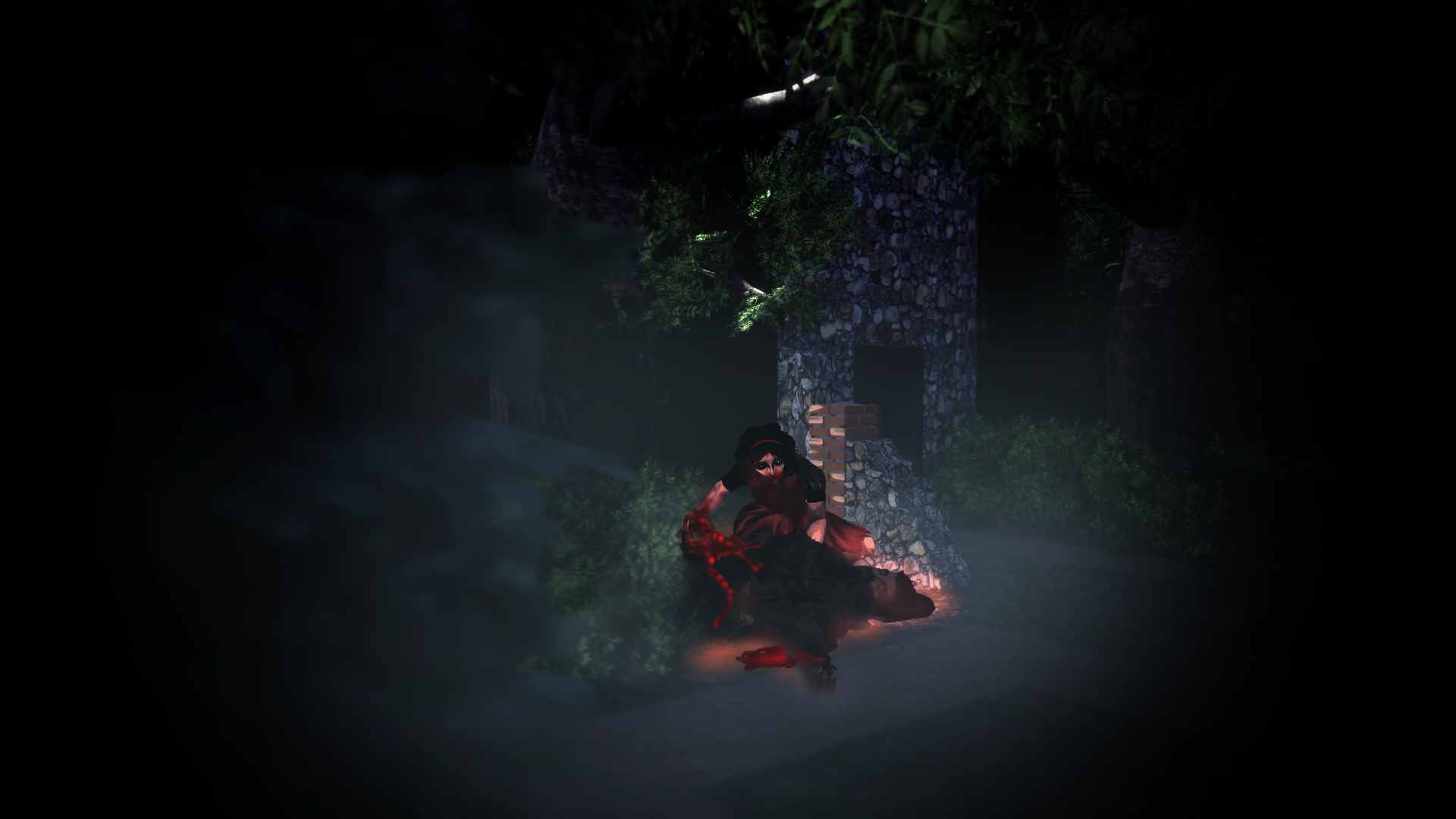
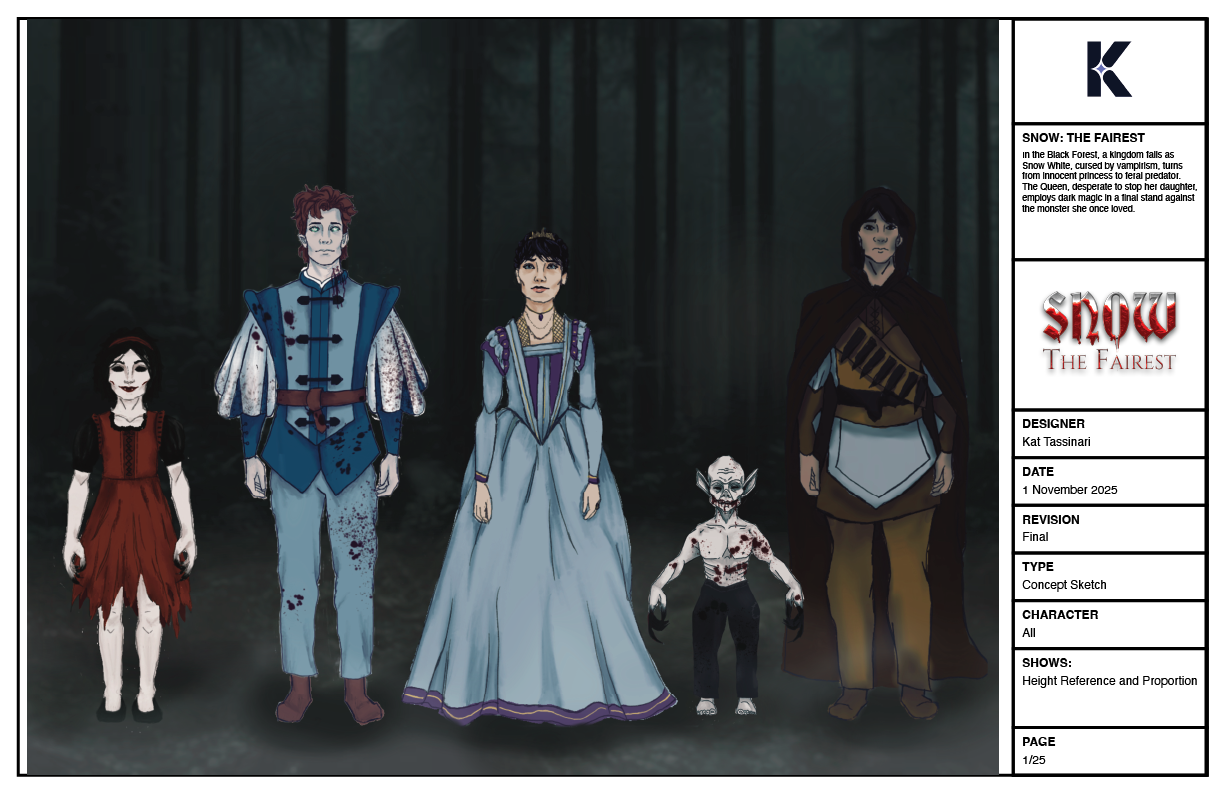
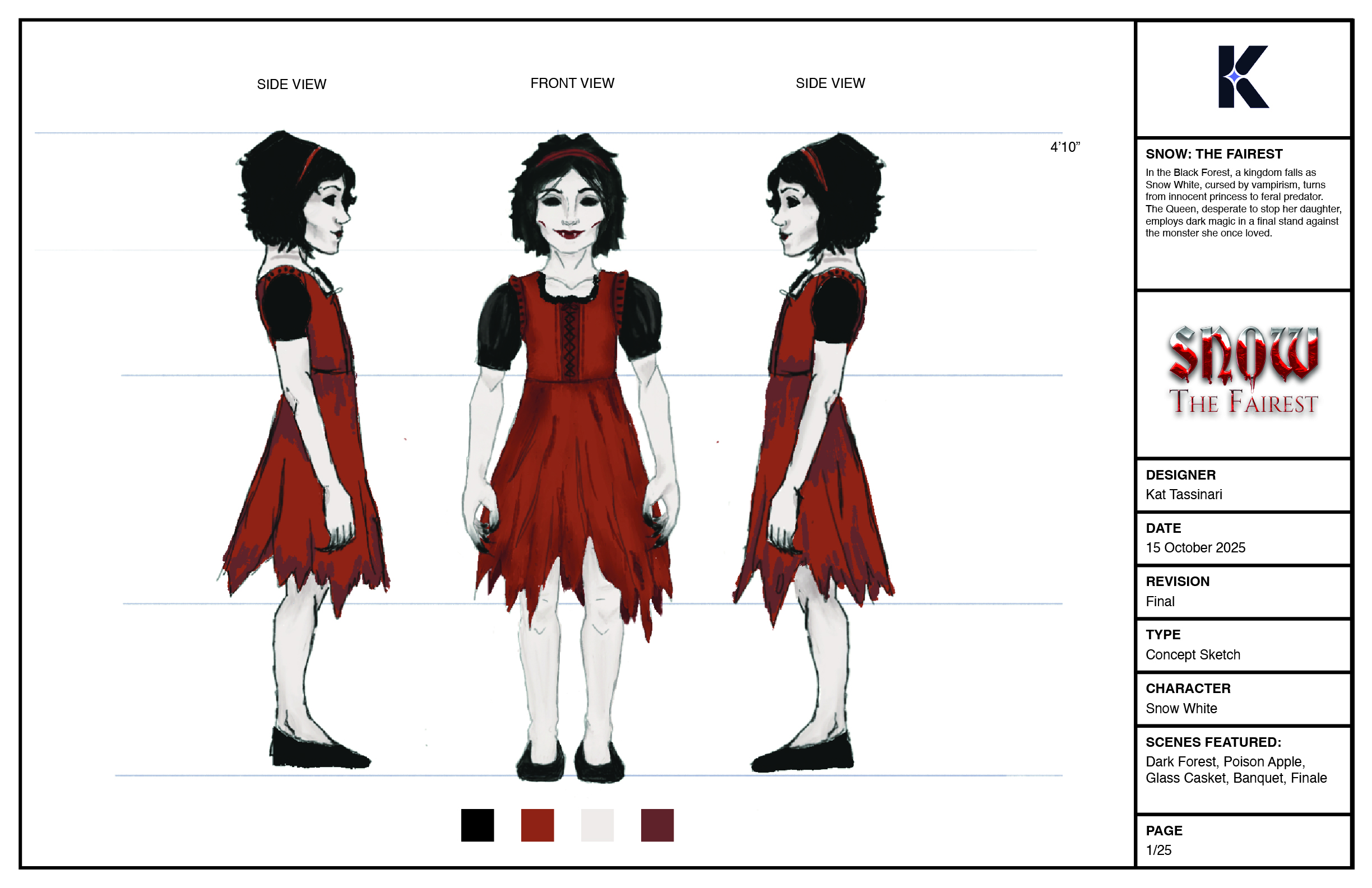
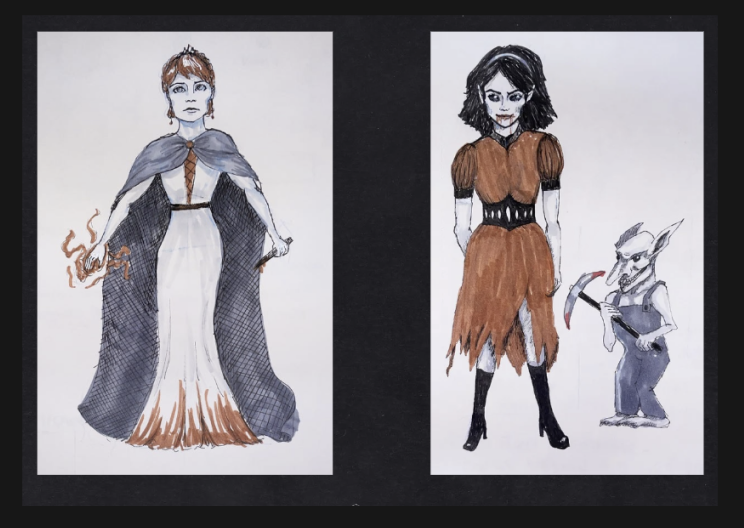
A feral child vampire, cursed at birth and turned monstrous, hungry, and with incredible supernatural power.

The Queen
Forced to hunt her own stepdaughter to save the kingdom she has sworn to protect. Armed with magic darker and darker as her desperation grows, she vows to end this forevermore.

The Prince
Enslaved by Snow's supernatural control, he is her puppet - but does that glimmer in his eye mean he's still in there? Or is it just the moonlight of the Black Forest?

The Dwarfs
Complicit companions, defending their vampiric mistress. They come from the deepest caverns of the Black Forest, and have become Snow's thralls, minions, and playthings.
Experience Design
The Guest Journey: 440 Feet of Escalating Terror
The attraction uses environmental storytelling and strategic pacing to build dread before delivering shocking scares.
Pacing Strategy
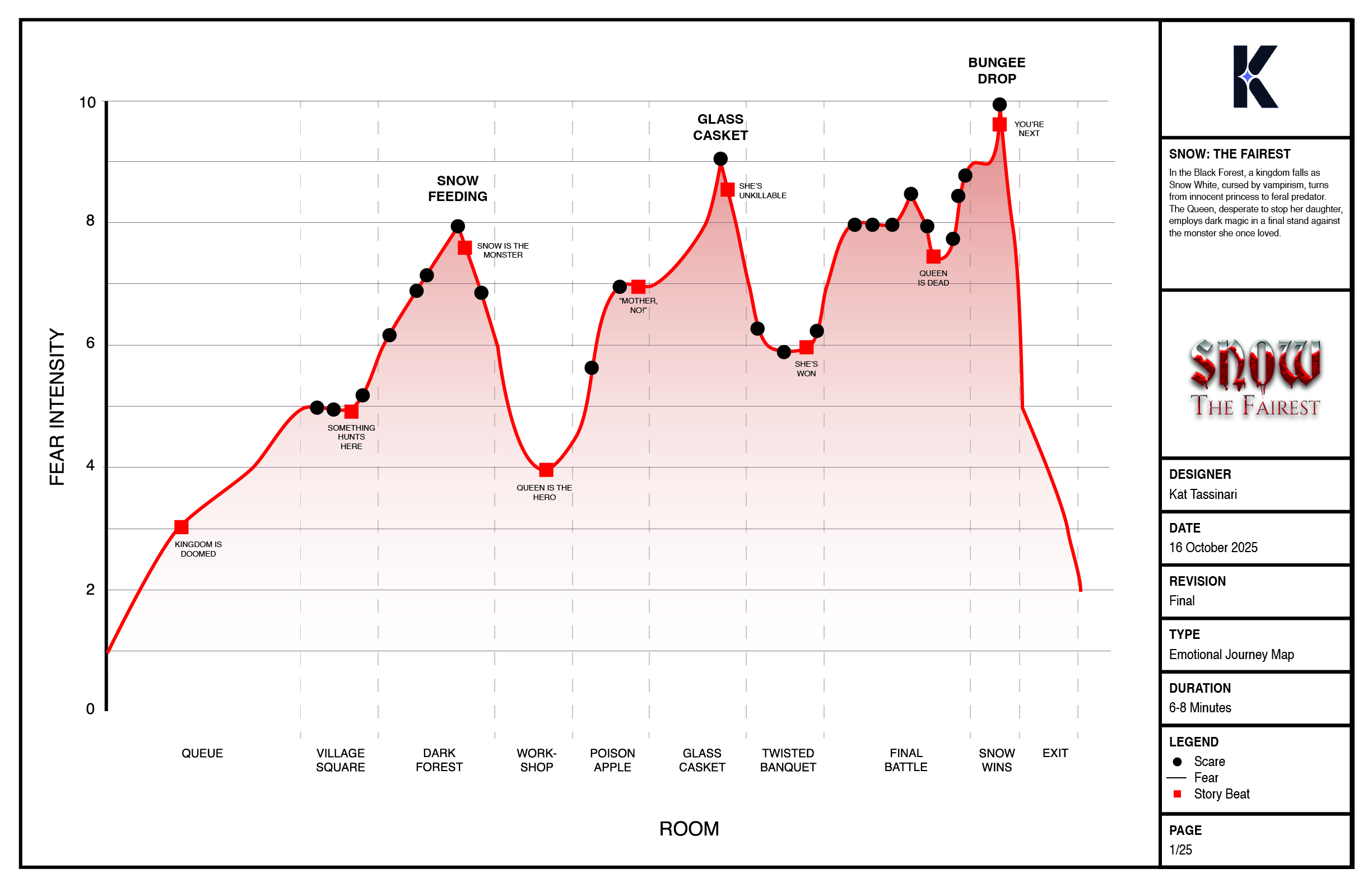
Using principles from Halloween Horror Nights' most successful mazes, the experience follows a calculated fear curve with three major peaks (Snow Feeding, Glass Casket, Bungee Drop finale) interspersed with atmospheric tension-building moments.
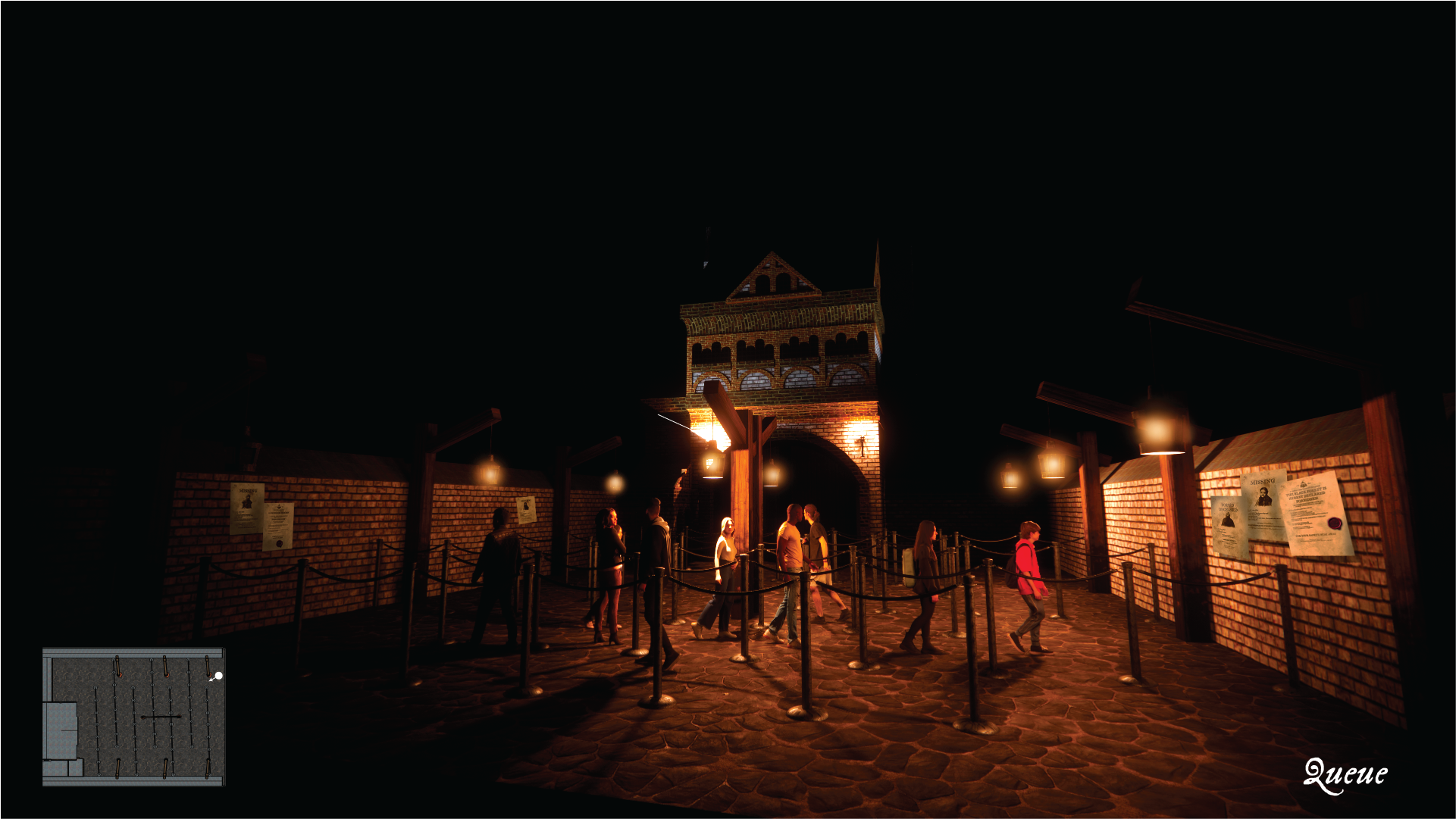
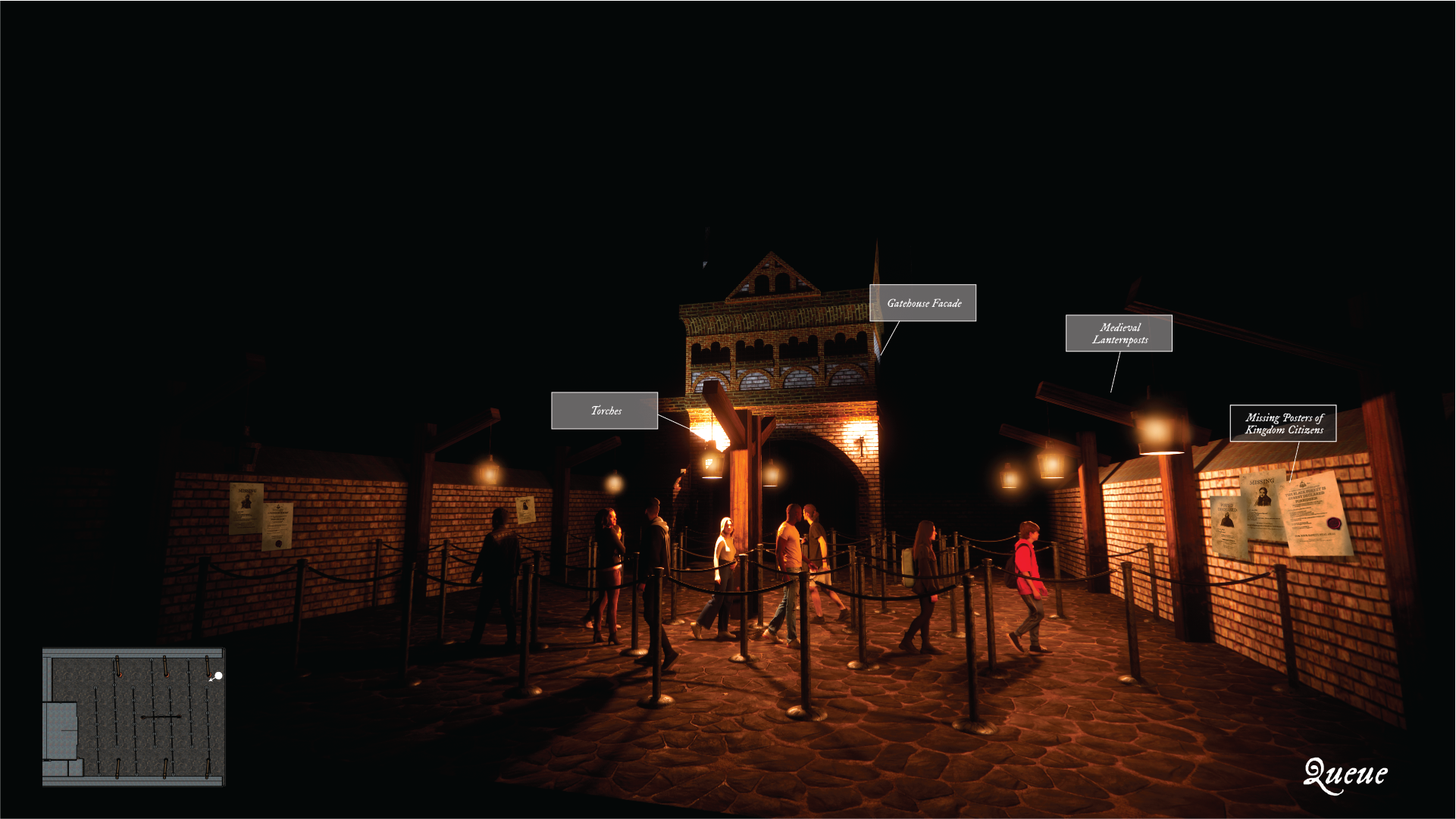
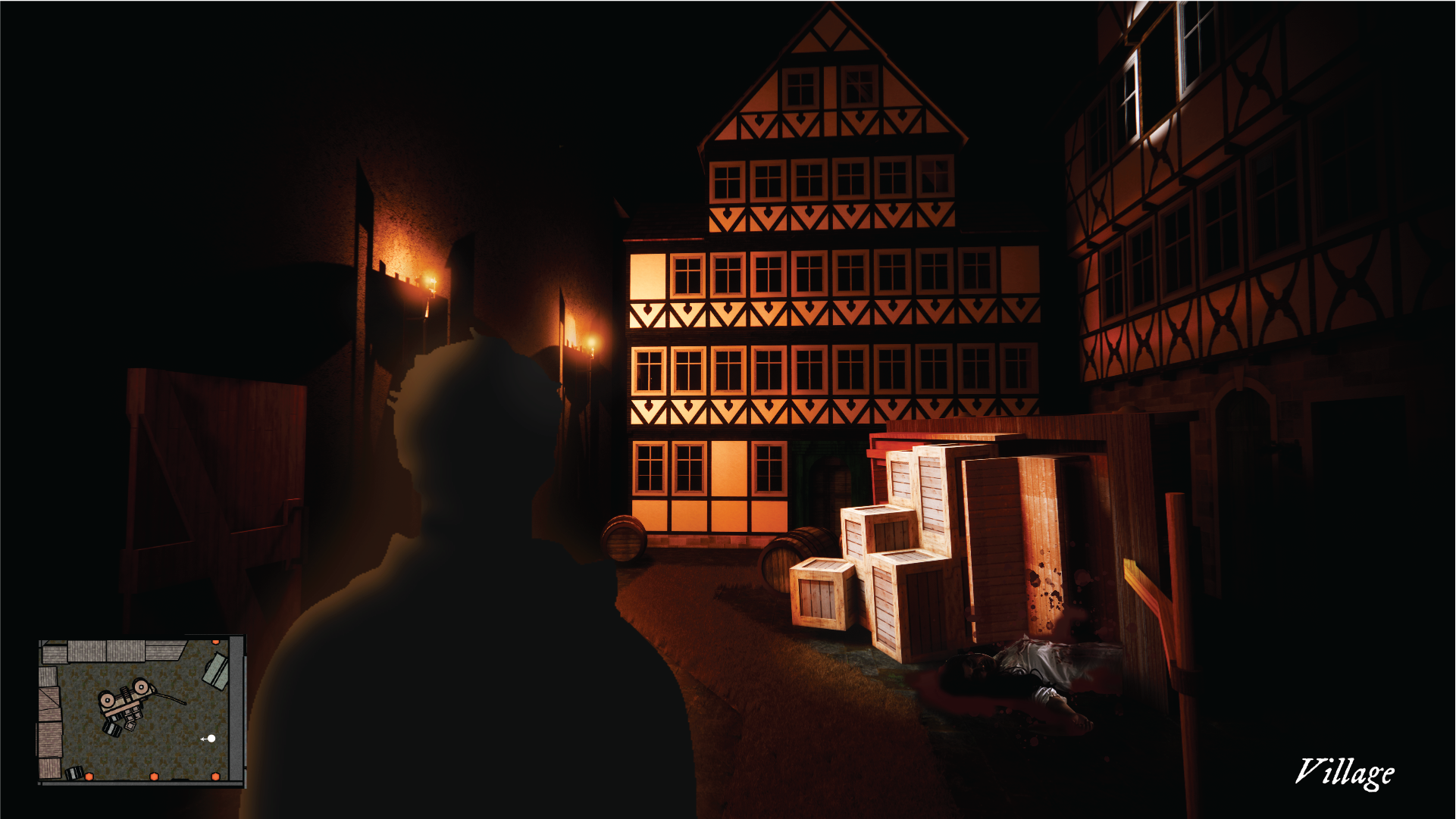
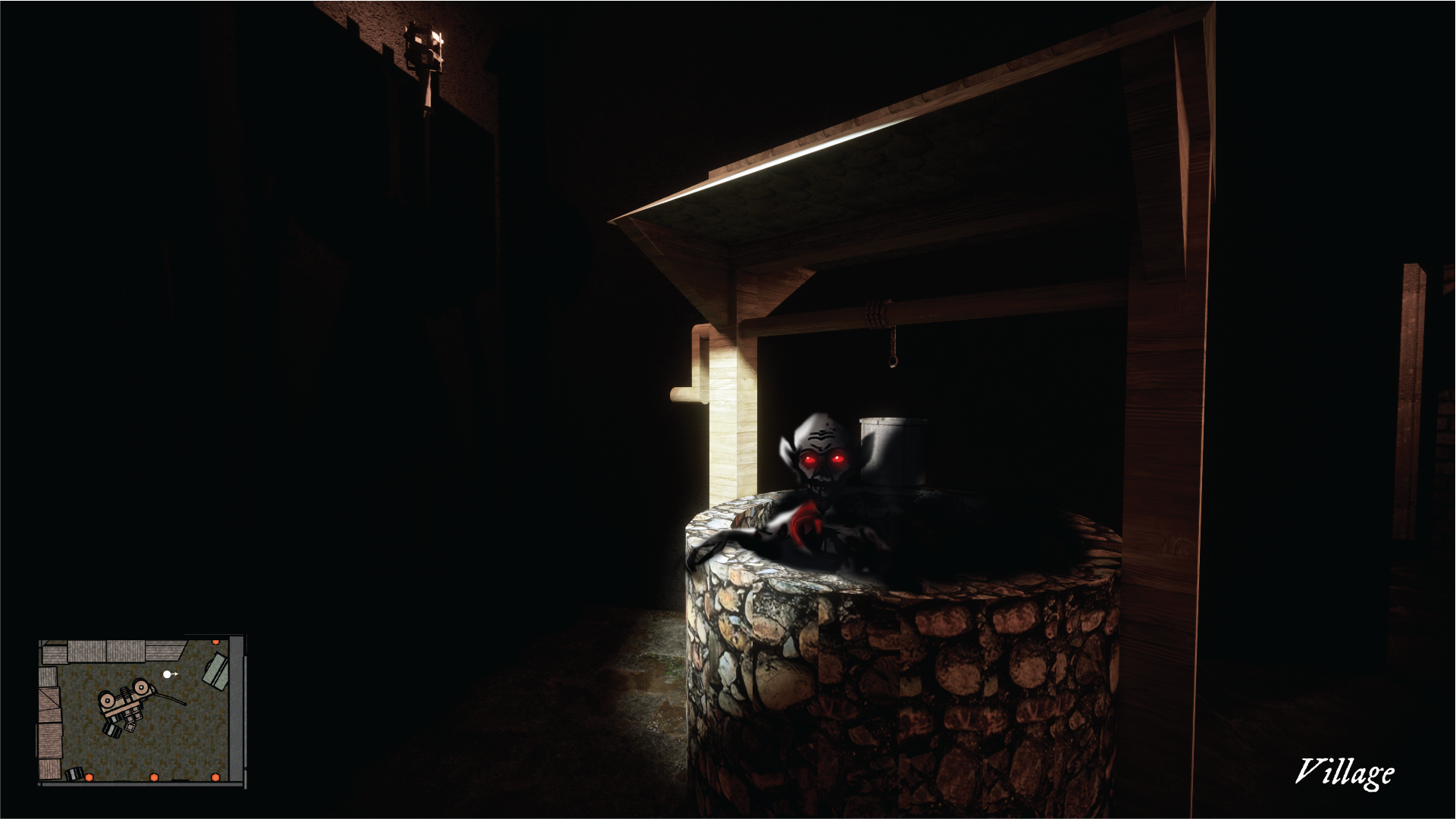
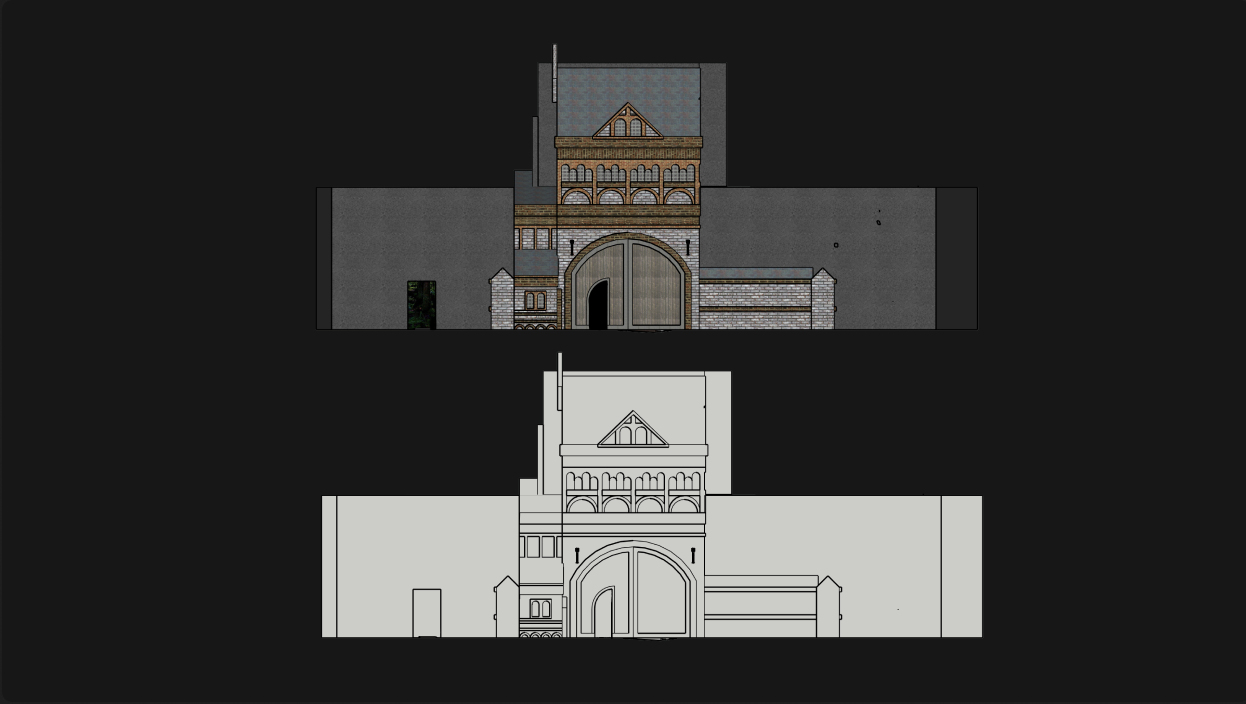
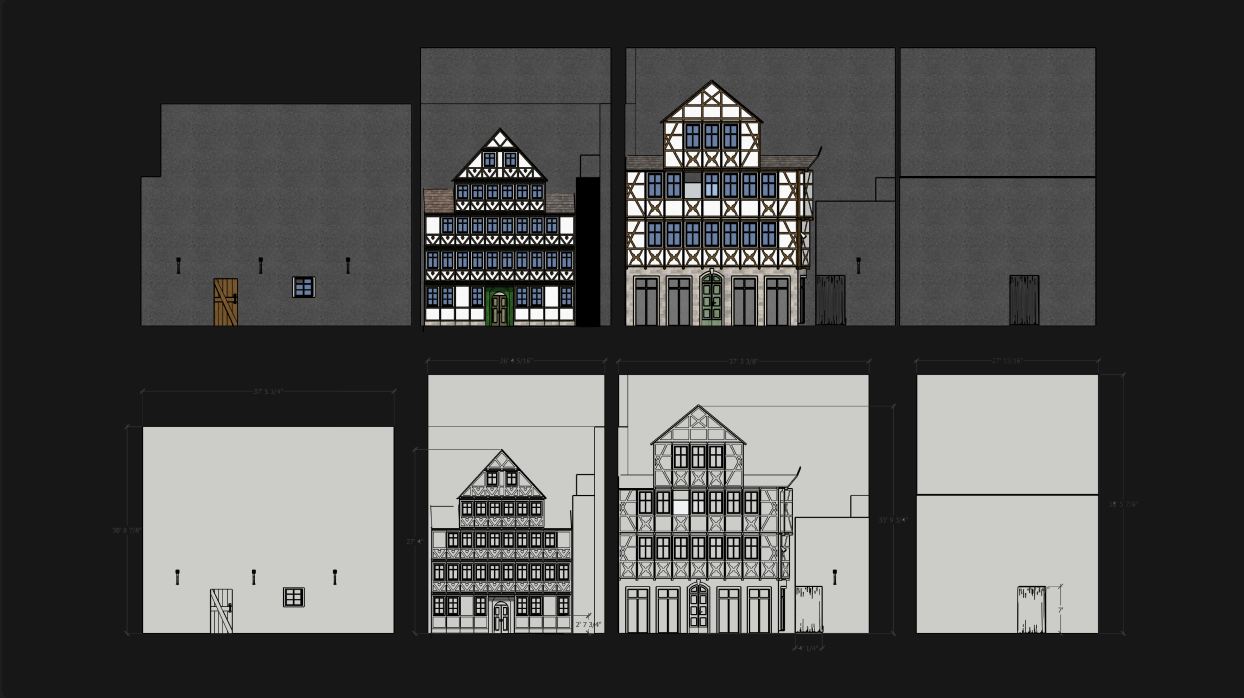
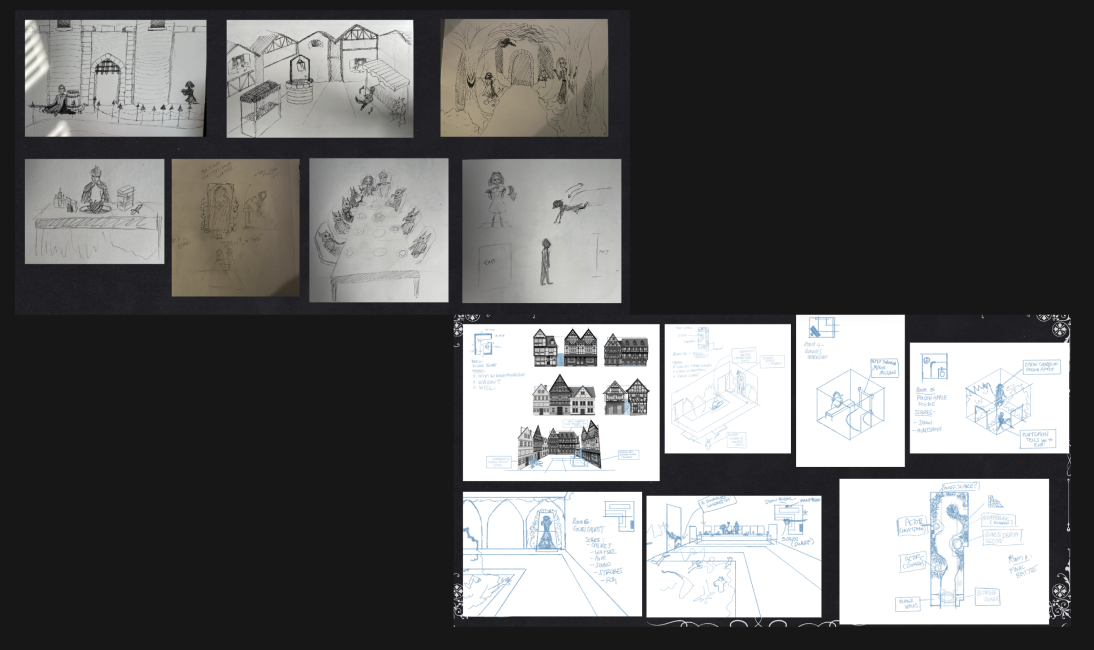
Guests enter a blood-soaked medieval village. Overturned carts and barrels hint at a hasty retreat as half-timbered facades loom overhead. Guests experience the aftermath of Snow's siege - and tension grows as they wind through alleyways and see the carnage for themselves.
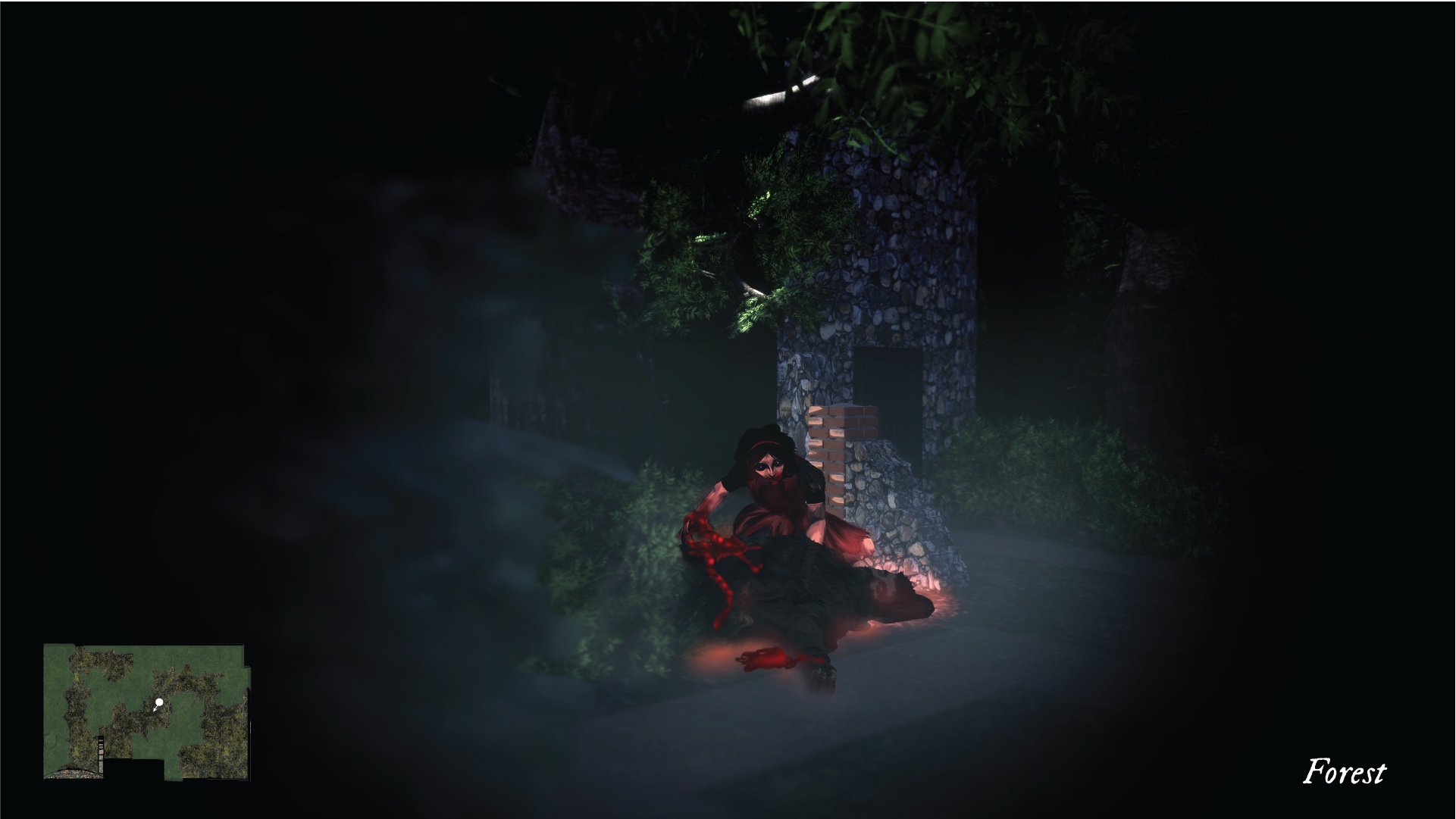
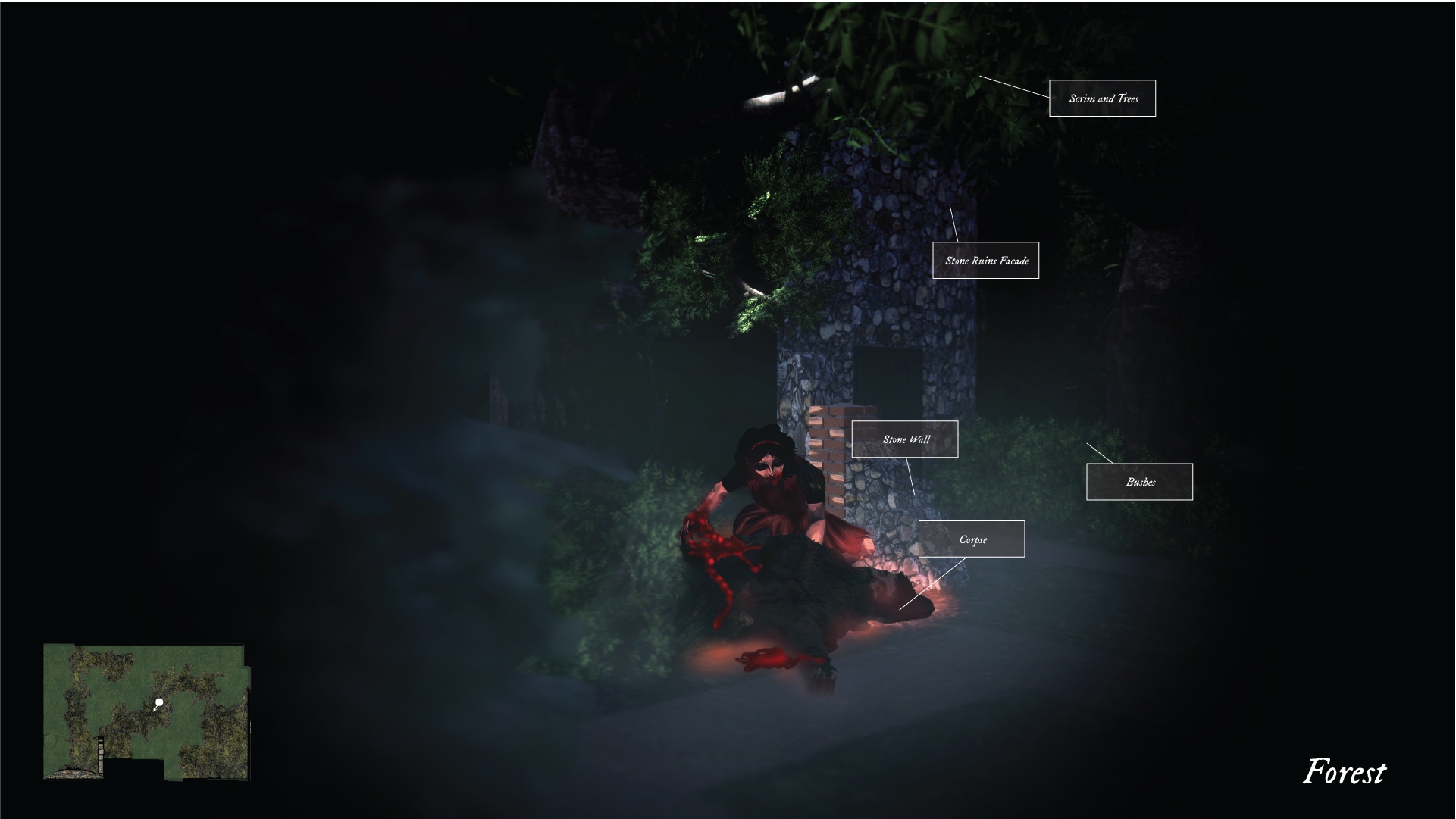
The path winds through a twisted forest where Snow and her dwarfs stalk from the shadows. Gnarled trees create natural hiding spots for scare actors while spraying water simulates fresh blood and environmental effects heighten vulnerability during the reveal of snow herself.
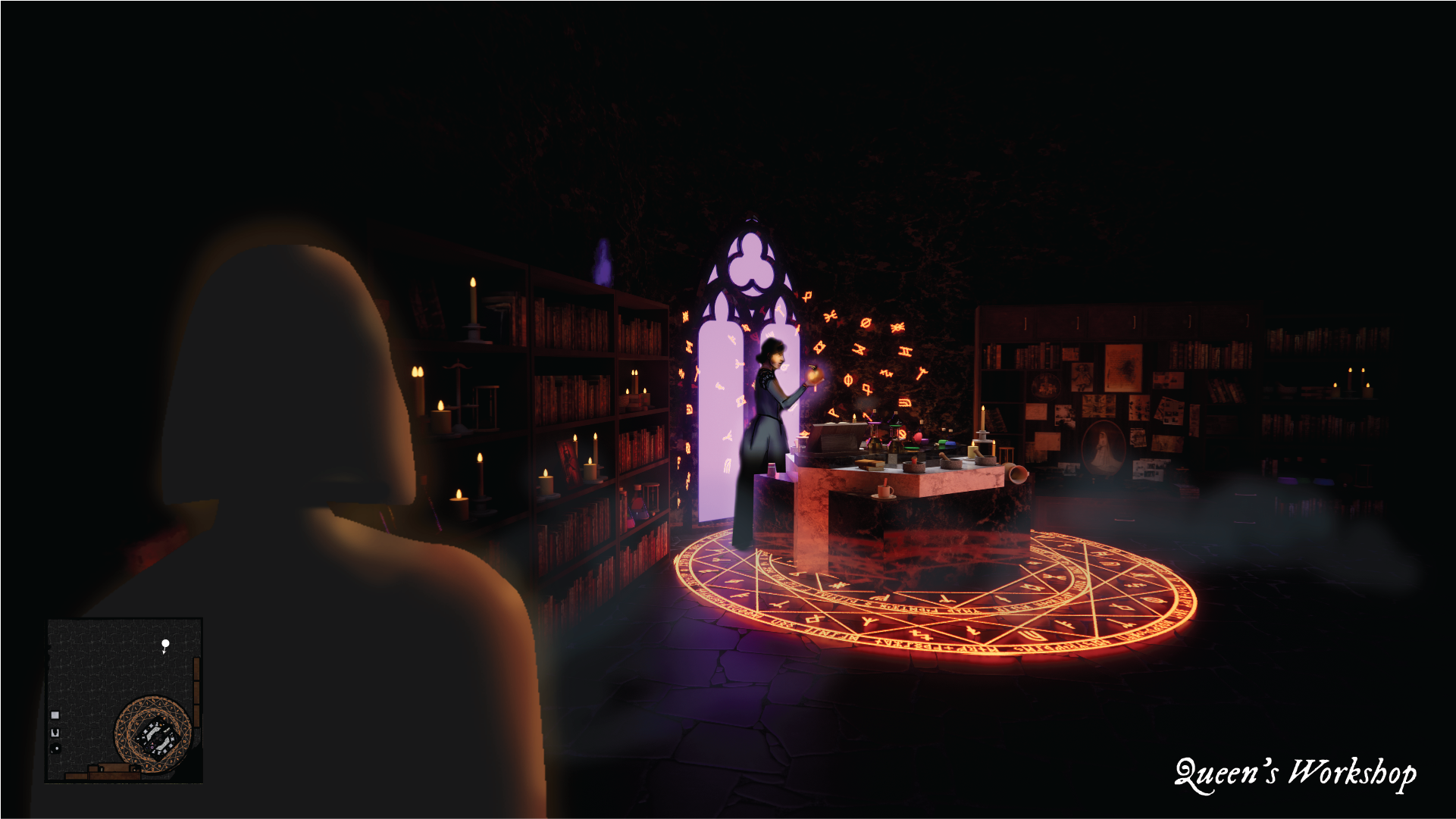
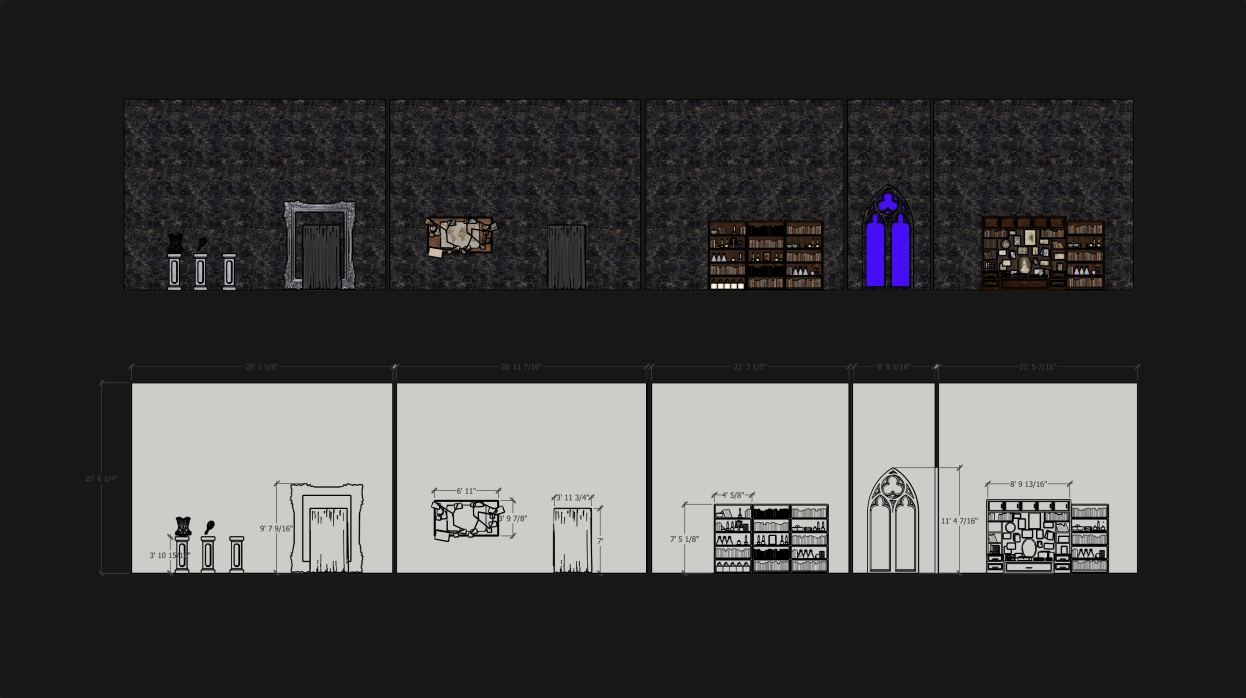
In the Queen's candlelit workshop, guests discover she's not the villain—she's the solution. Alchemy tables, magic mirrors, and spell circles reveal her desperate attempts to create a cure. Gothic windows bathe the scene in purple light as guests realize they've been rooting for the wrong character. She whispers feverishly, desperately, as her grief for her daughter becomes clear to guests passing by.
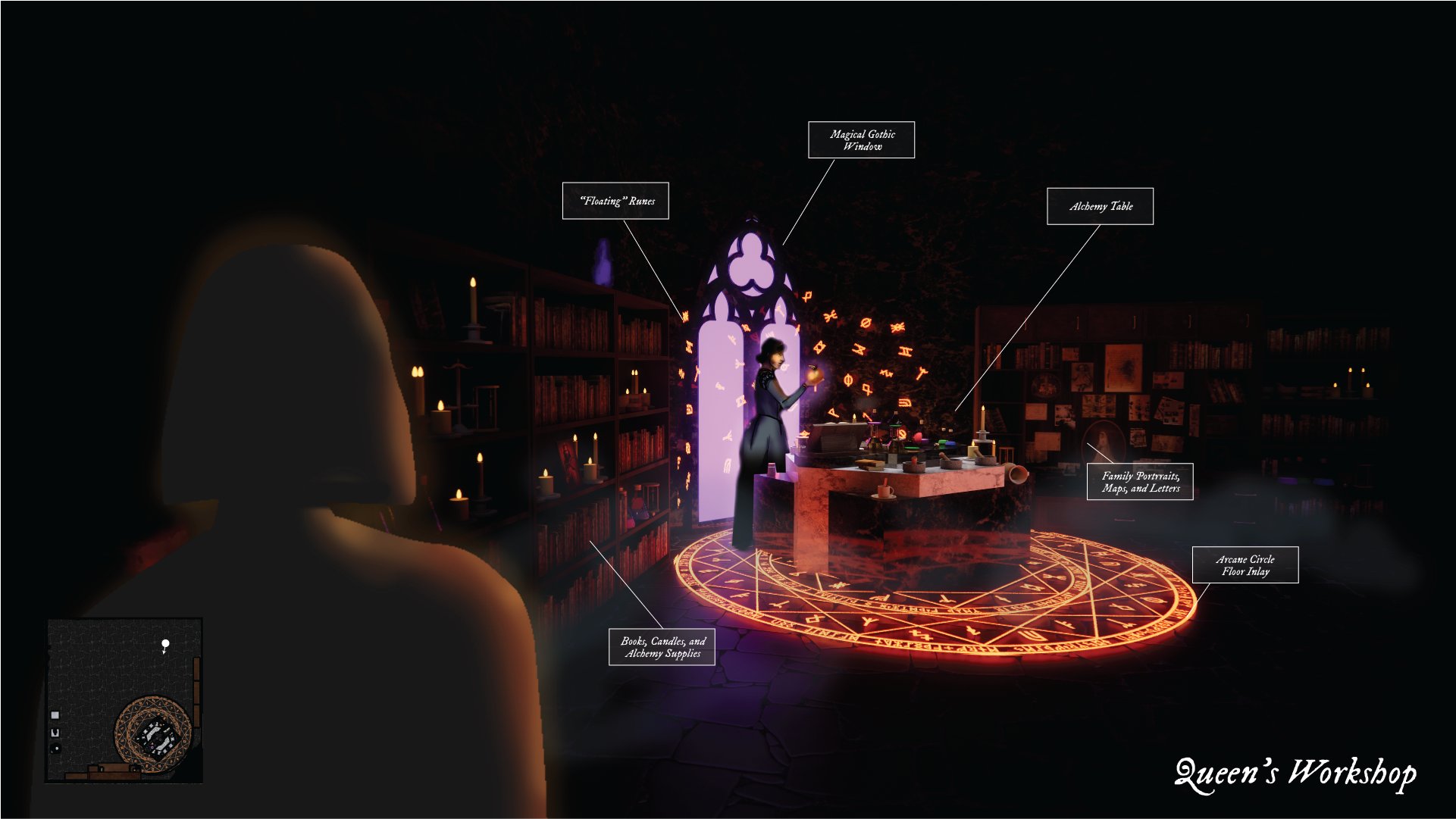
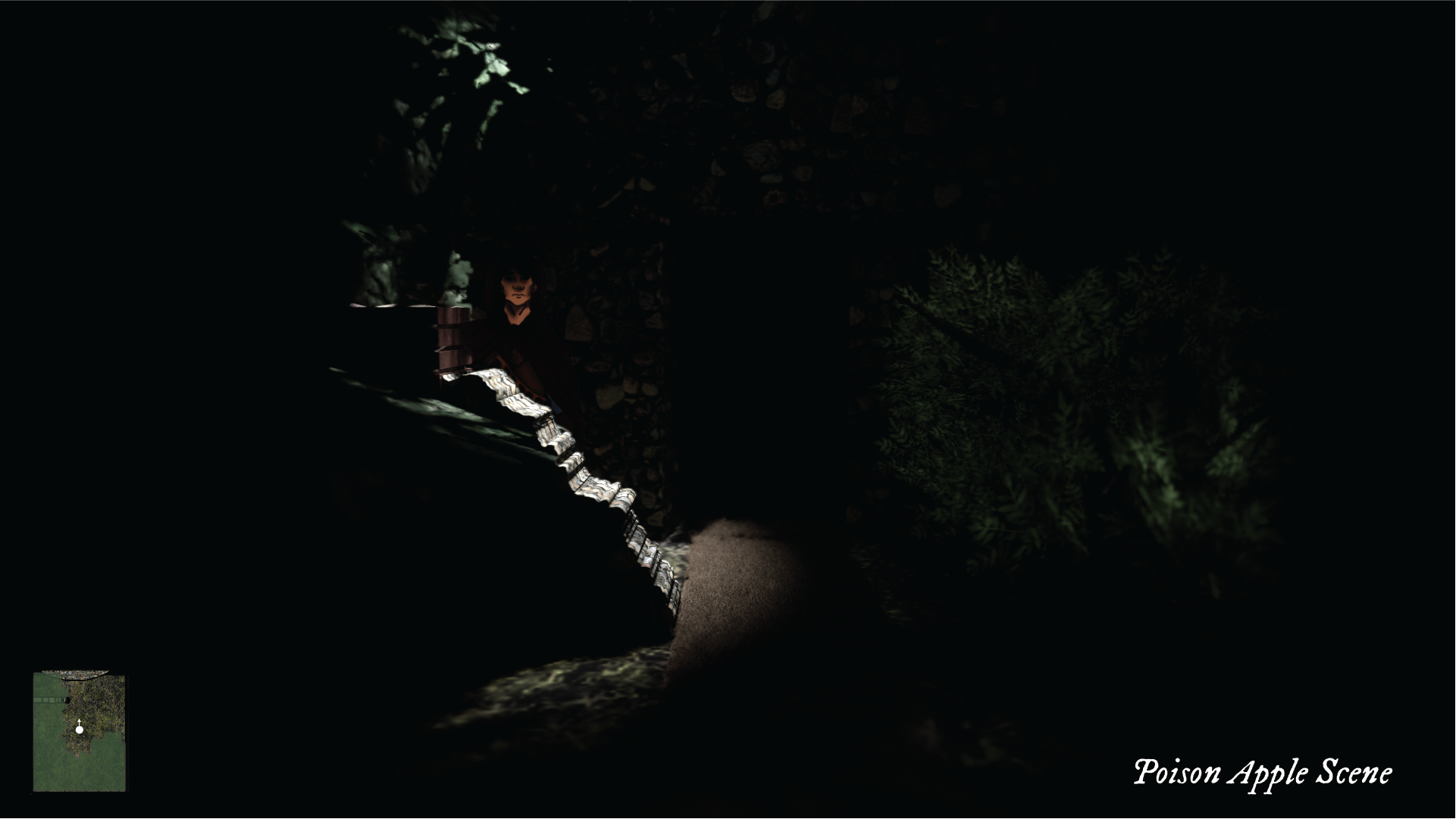
Stepping through the magic mirror, guests watch as Snow bites the cursed apple. Her body convulses—the sound of snapping bones fills the room, and they hear the monster, or perhaps the girl, cry out - "mother, no!". Shrouded in shadows, the huntsmen and the queen warn guests to run, for she will not stay down for long.
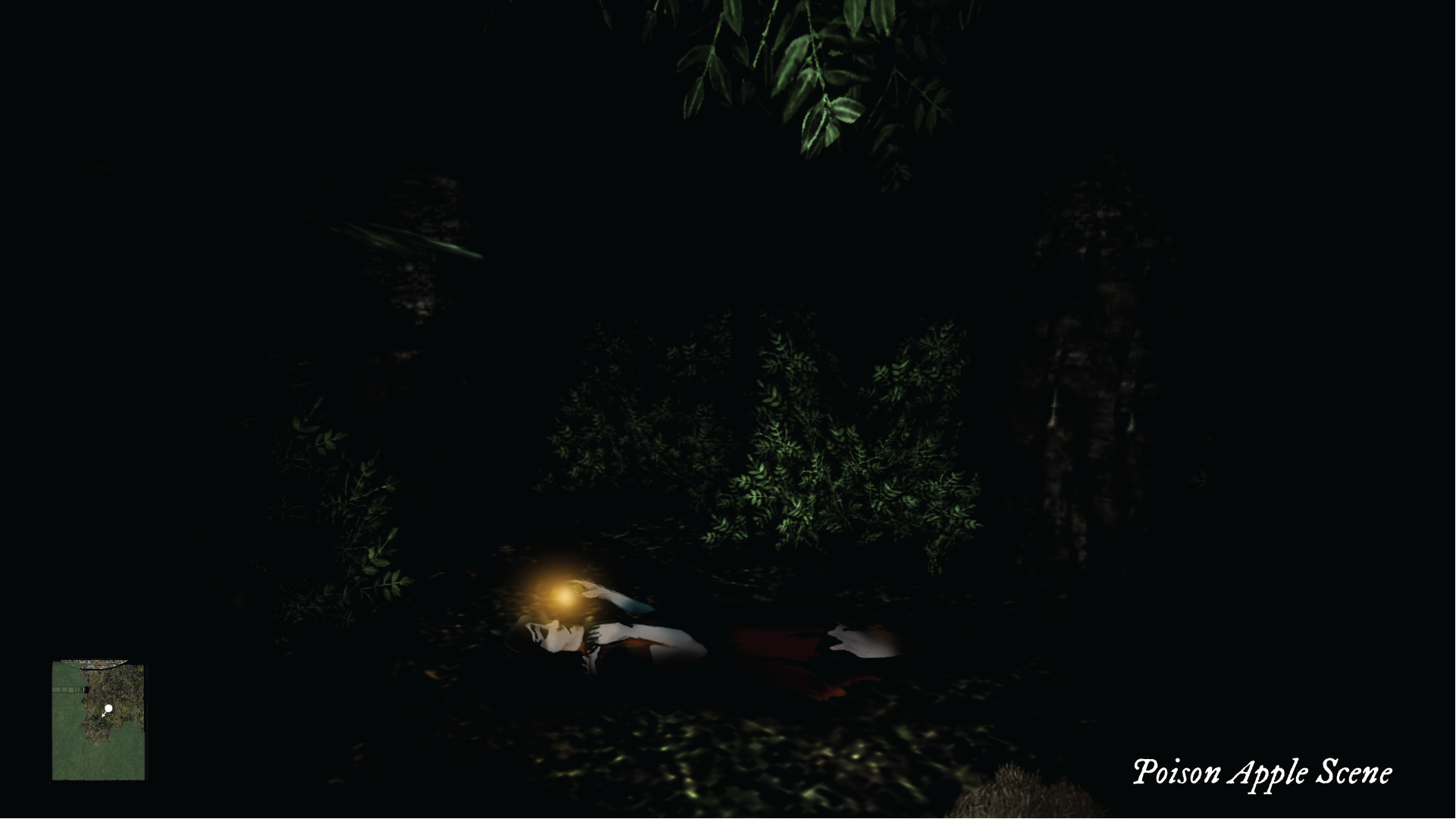
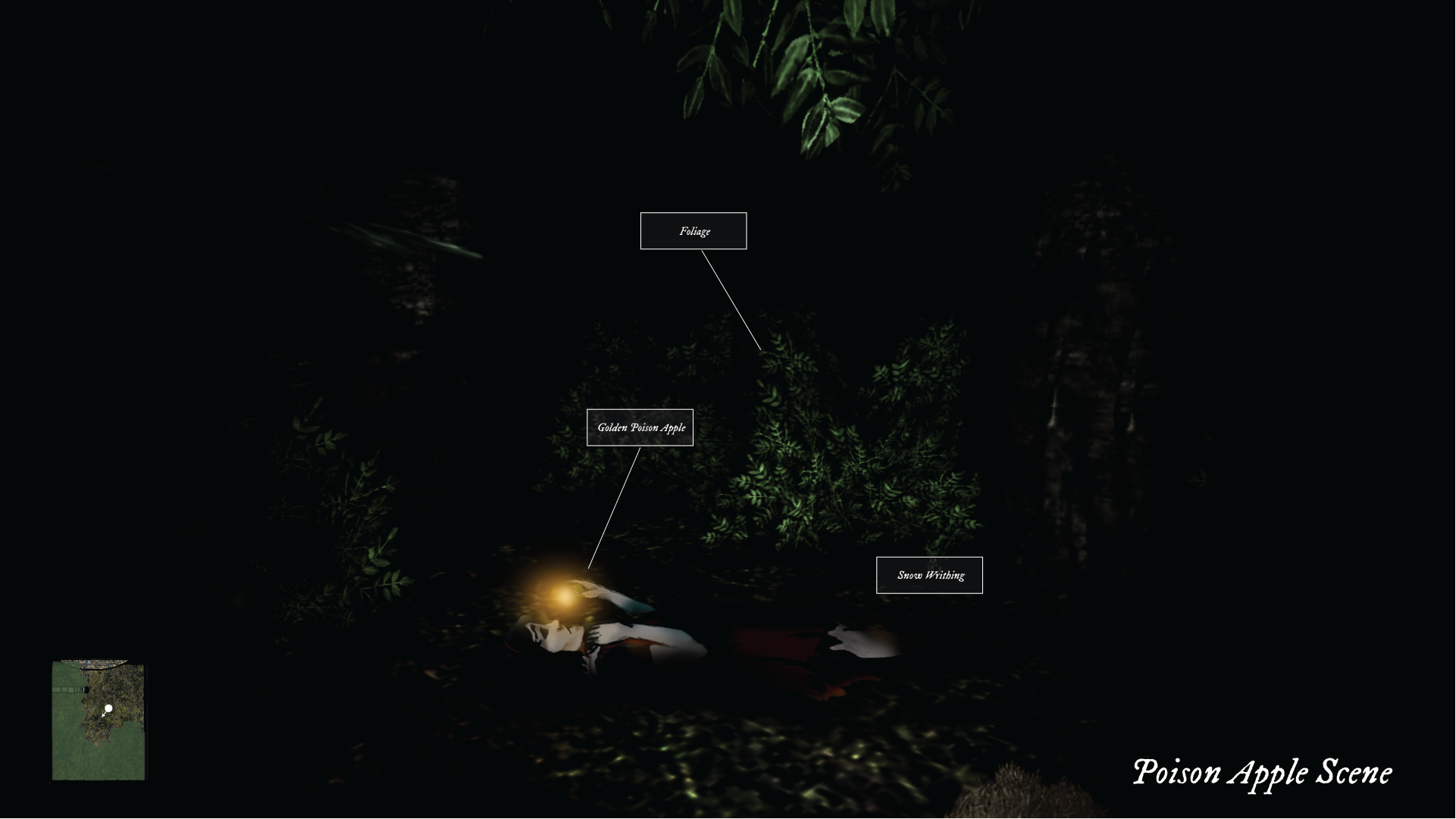
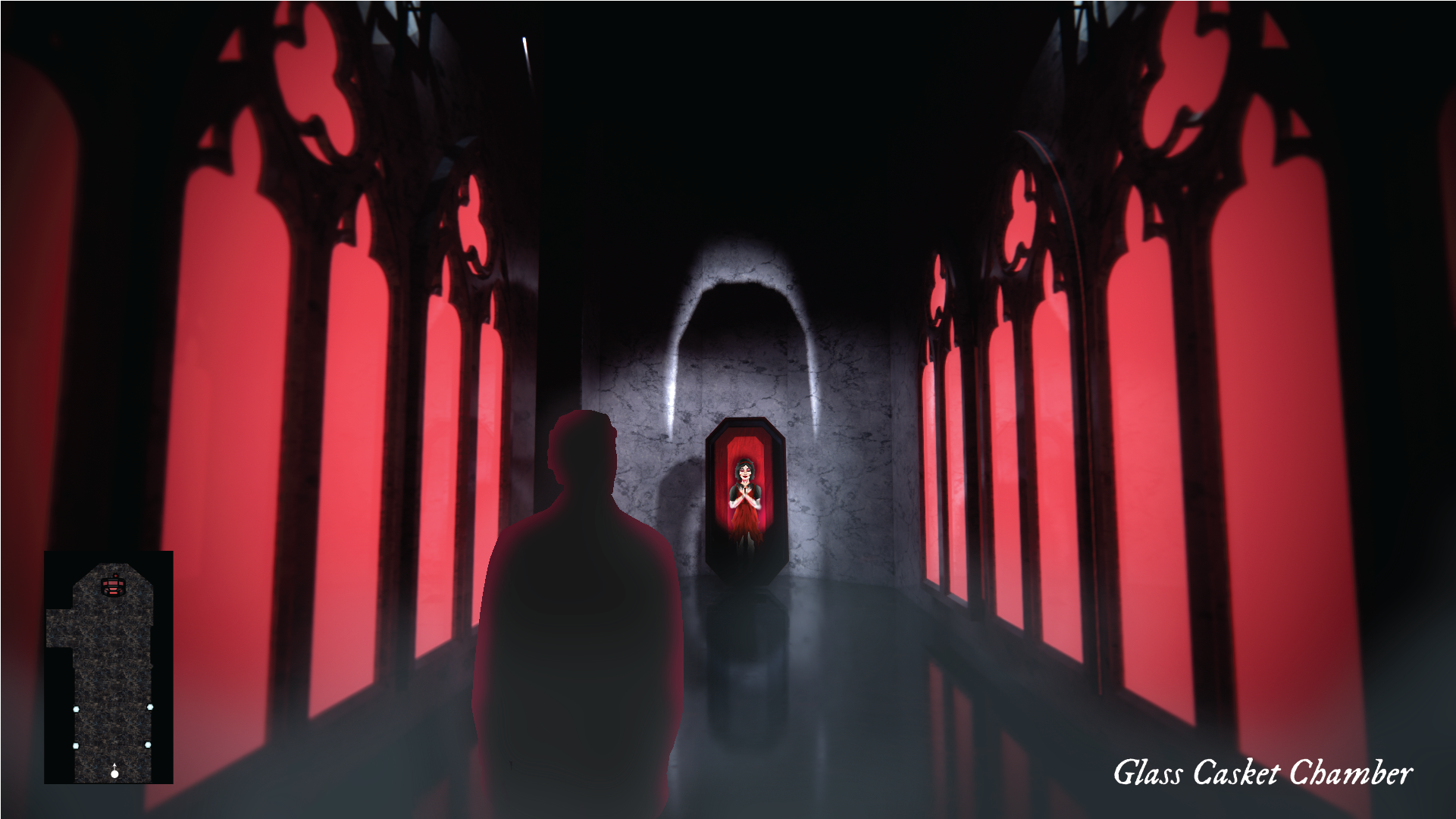
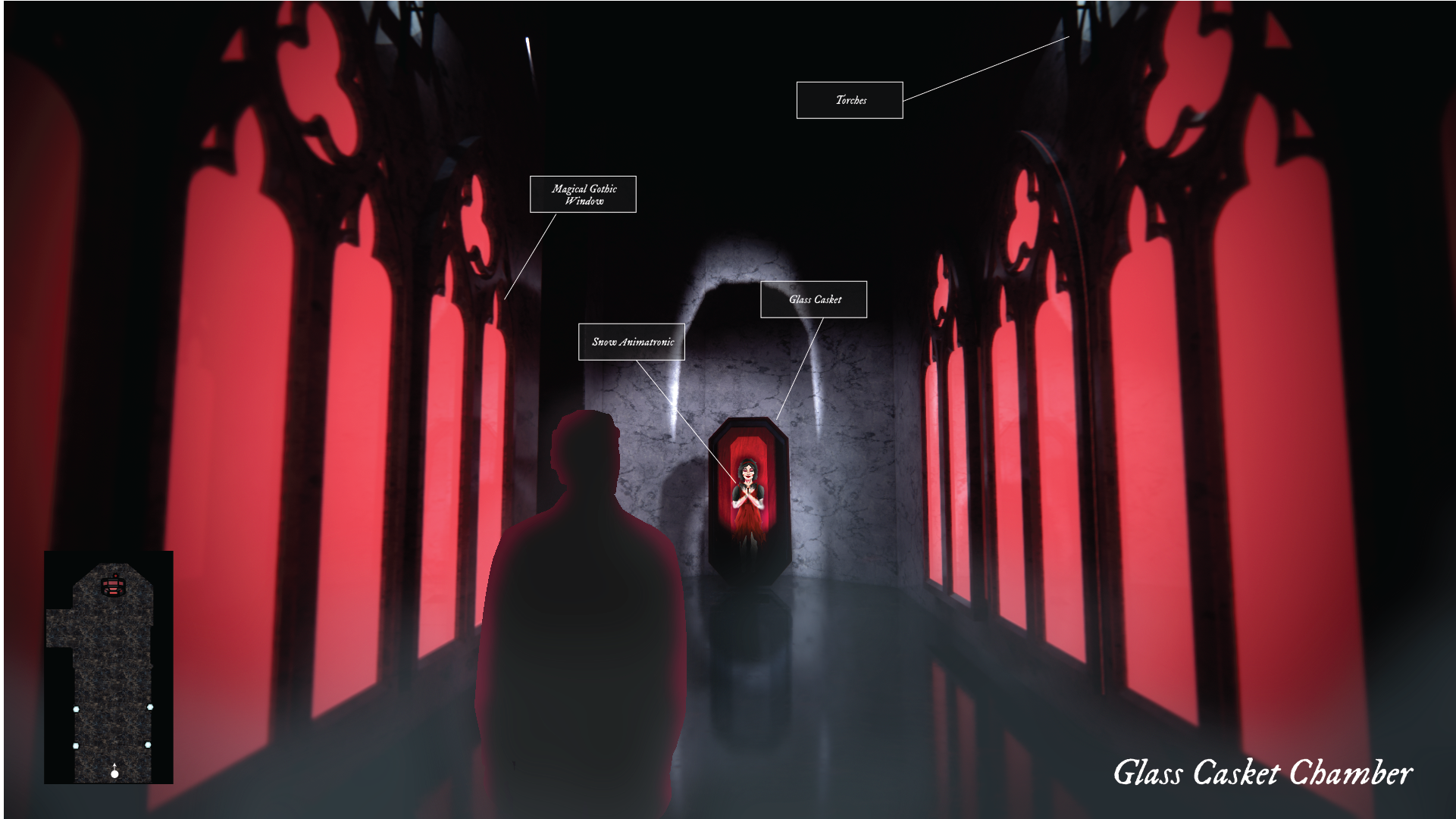
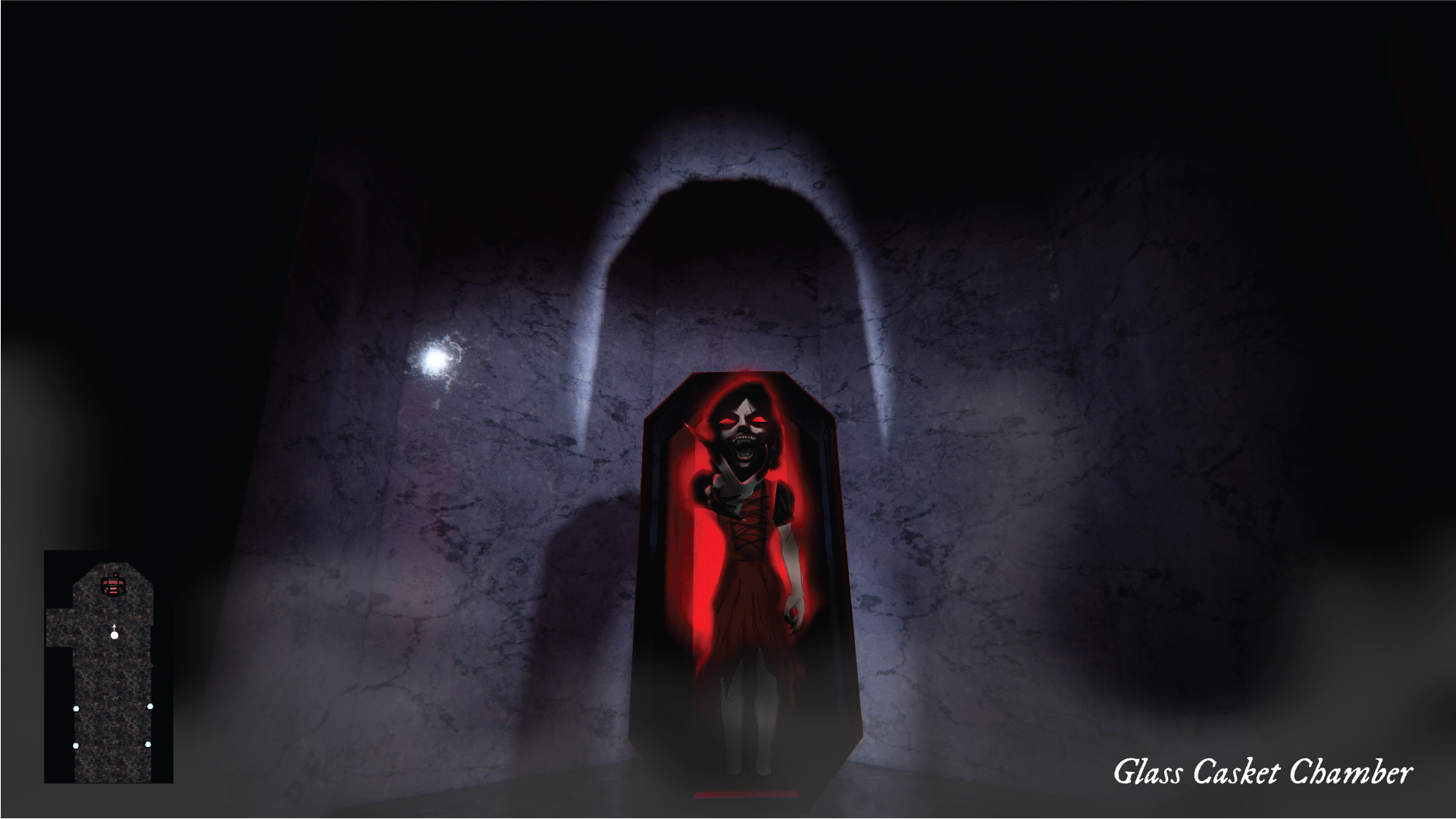
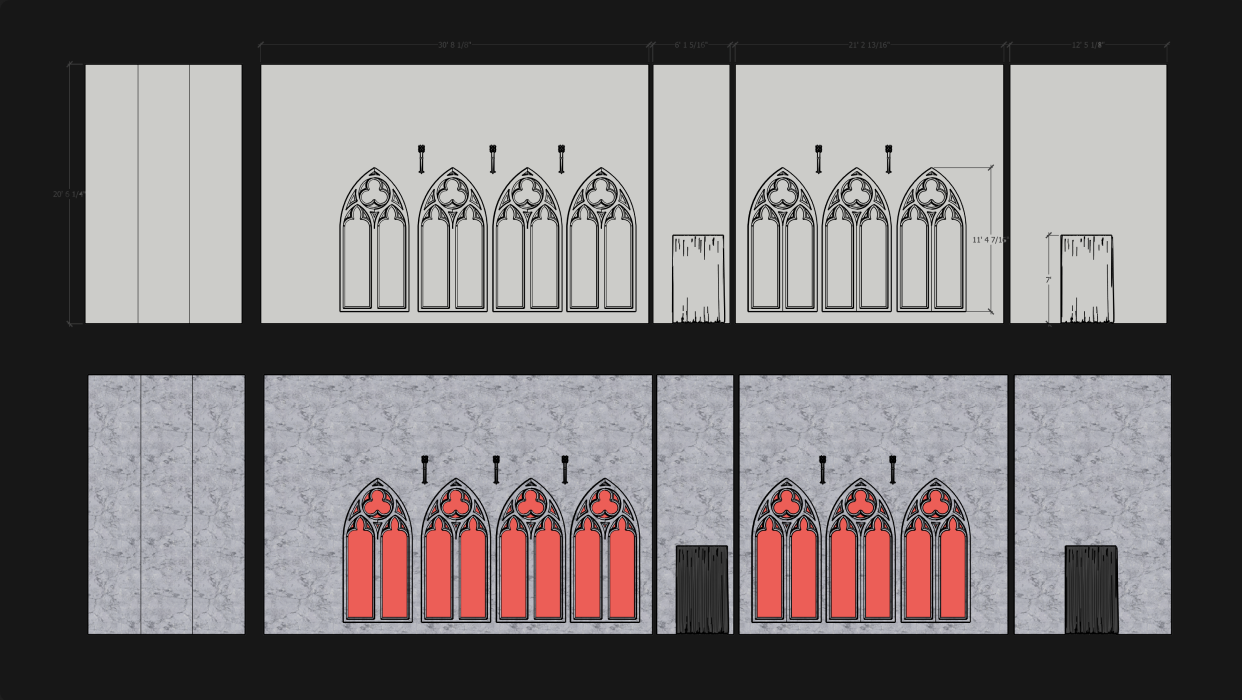
Guests enter a gothic chamber where Snow lies in her famous glass casket. Red-lit gothic windows line stone walls and guests are closed in, forced to inch closer and closer. The casket suddenly rattles—she's very much alive, and very hungry. She lunges at guests and shatters the coffin in a flurry of air, sound, water, lighting, and fog effects as they narrowly escape.
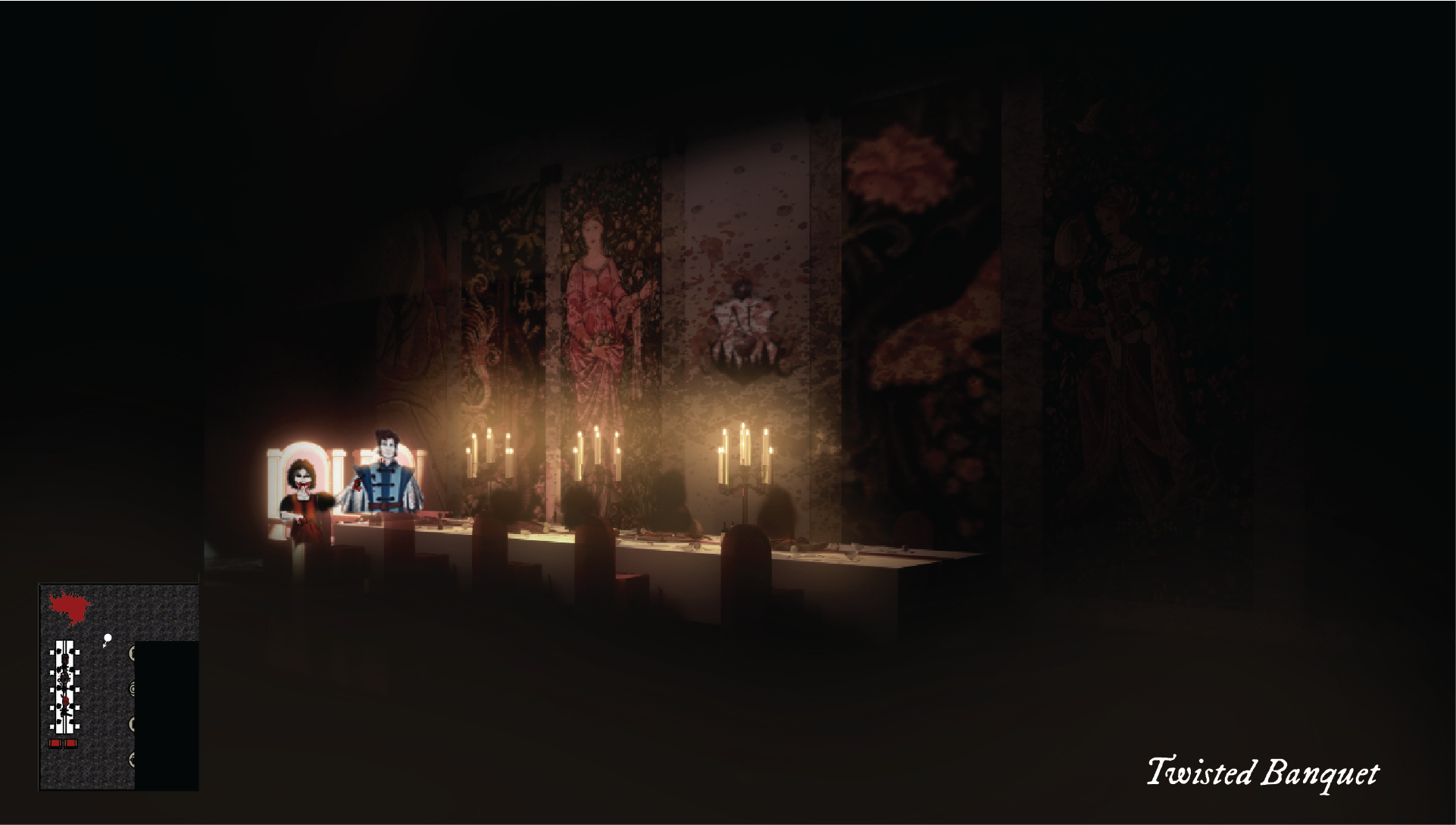
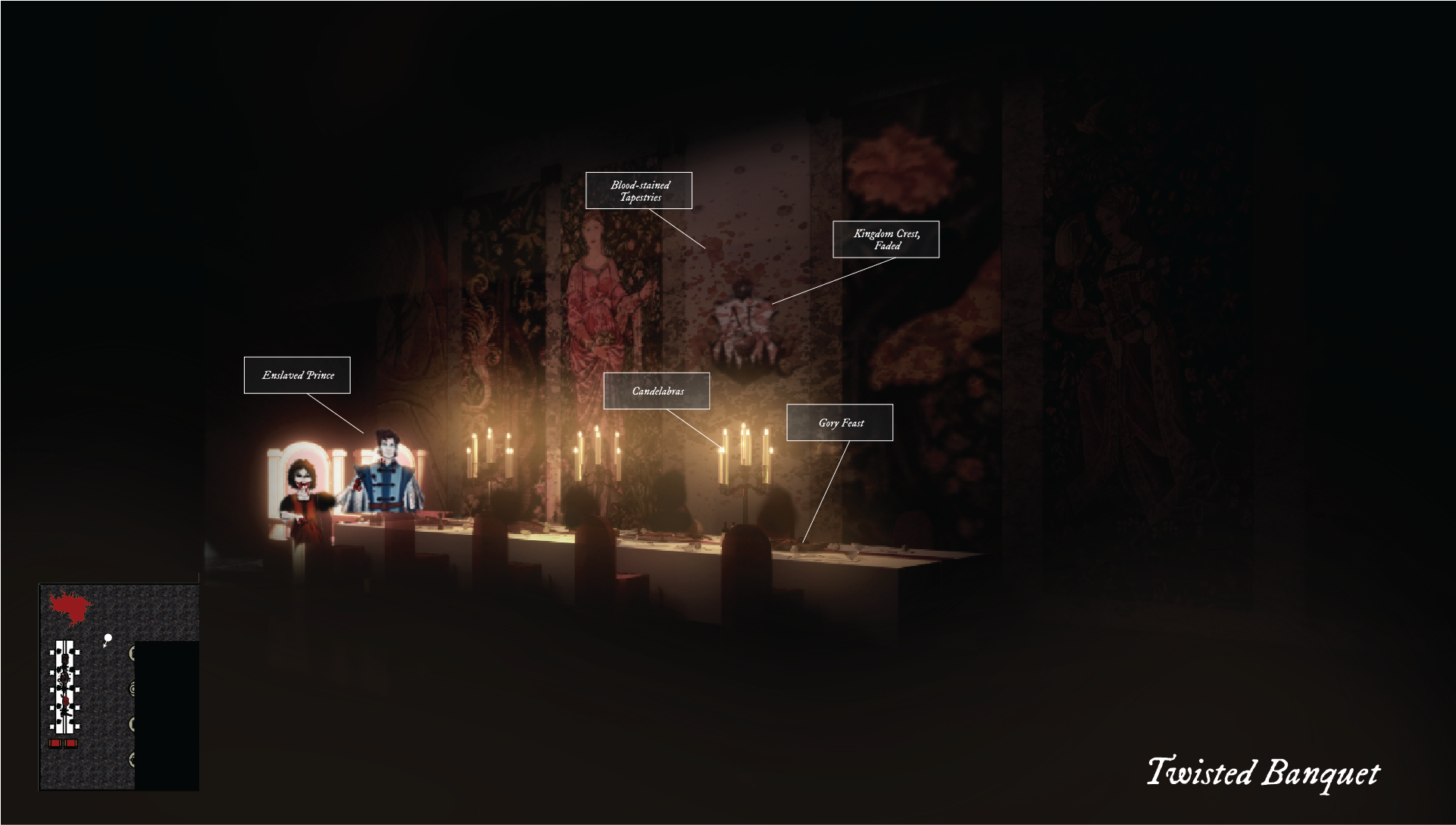
Guests then enter a grotesque royal banquet where Snow, her feral dwarves, and a hypnotized prince preside over a horrifying feast—corpses and gore presented as delicacies. Normal children have tea parties, but Snow has this twisted banquet. Eagle-eyed guests will notice torn, bloodstained tapestries of the kingdom's history, showing that time, and Snow, have laid ruin to this kingdom.
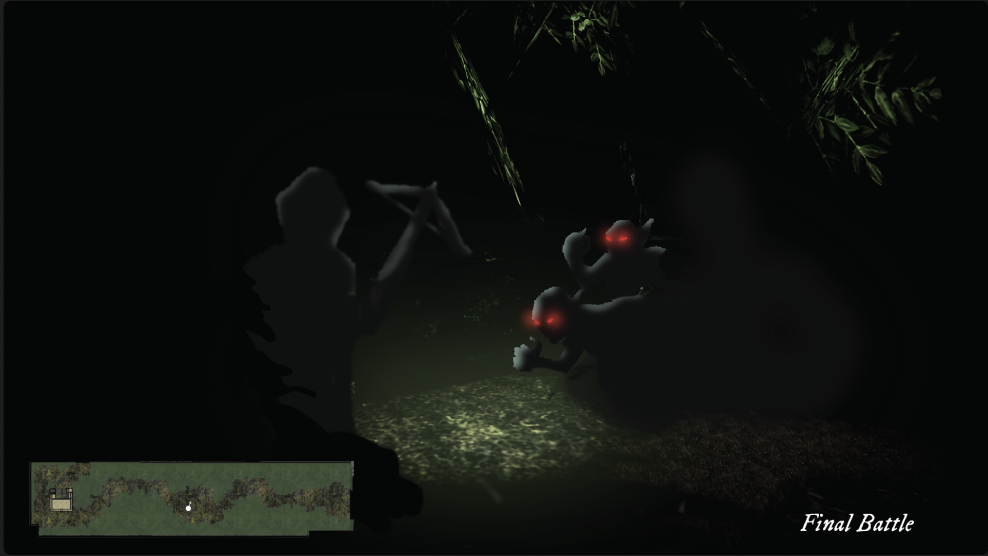
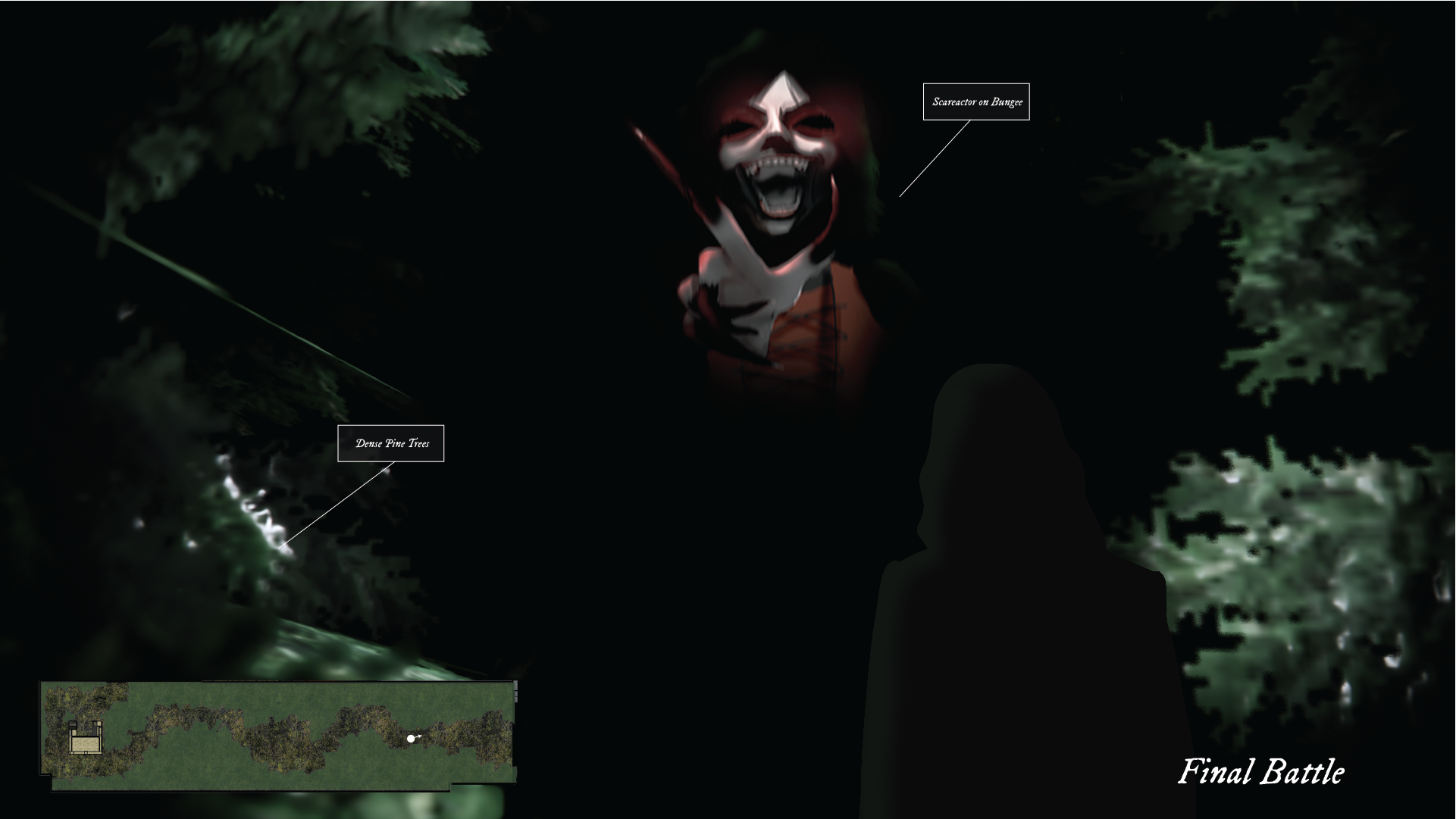
Guests are thrust into the climactic confrontation between the Queen's forces and Snow's dwarf defenders. Pine trees provide cover for scare actors as the Queen makes her final stand. A 10/10 intensity bungee drop scare delivers the ultimate shock as Snow attacks from above.
Technical Design and Operational Planning
From Concept to Buildable Reality
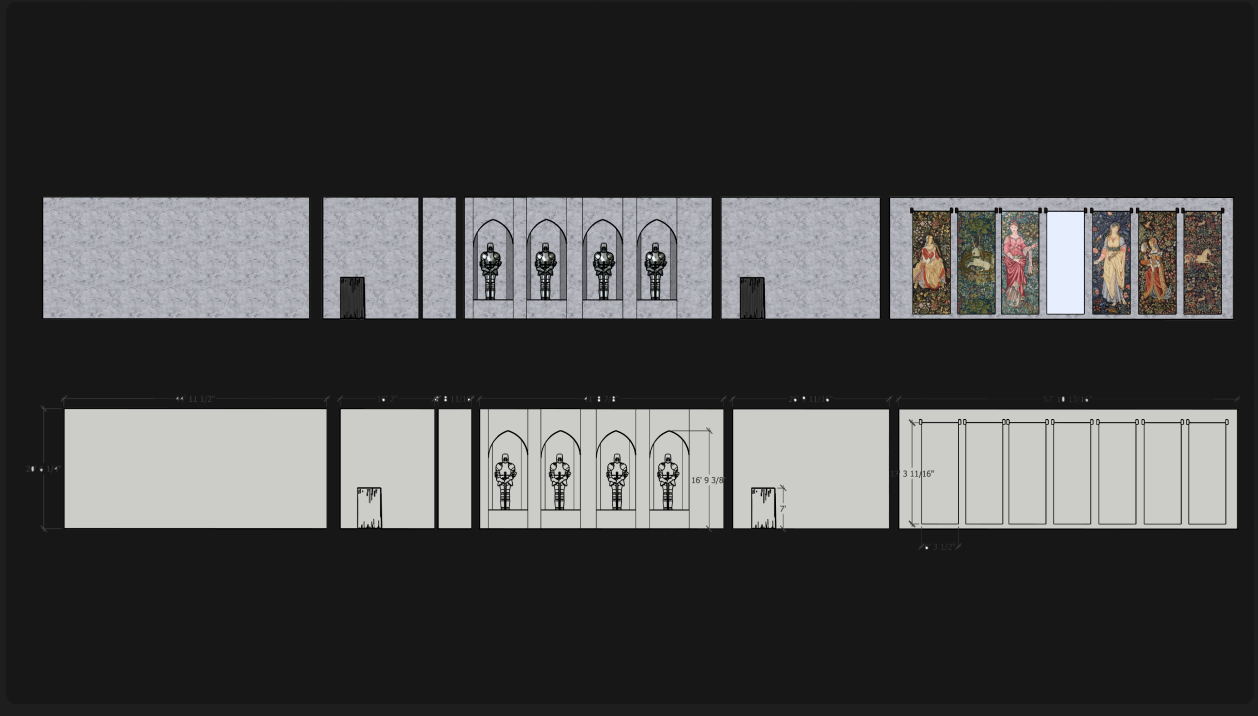
Every creative decision was validated against real-world operational requirements—the hallmark of professional themed entertainment design. Elevation drawings show how half-timbered village facades, gothic cathedral walls, and forest scenic elements fit within the 94' × 134' building envelope. Every prop, scare position, and sightline blocker is strategically placed to maintain show quality and operational flow.
Capacity Analysis:
Operational Capacity: 840 Guests/Hour
- Total path length: 440 feet
- Walking speed: 2.5 fps (accounting for low light and fear response)
- Walkthrough time: 5 minutes
- Dispatch interval: 30 seconds
- Group size: 7 guests
- Theoretical maximum: 840 guests/hour
This exceeds Universal's typical 600-800 target for seasonal haunts, ensuring the attraction can handle peak Halloween Horror Nights crowds.
Design Process and Research
Research-Driven Horror Design
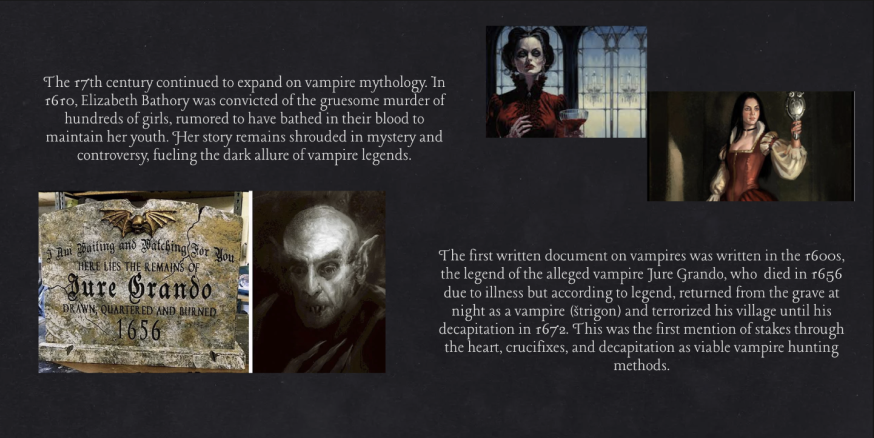
The project drew from historical vampire mythology, particularly the 17th-century legend of Jure Grando (the first documented vampire, 1656) and Countess Elizabeth Báthory's alleged blood-bathing rituals. This research grounded the fairy tale subversion in genuine folkloric terror.

Reflection & Impact
What I Learned
This project taught me to balance creative ambition with technical reality—a crucial skill in themed entertainment. Designing solo meant wearing every hat: creative director, technical designer, renderer, and operations planner.
Presentation to Bob Weis
I was beyond lucky to have the opportunity to present to my professor, my classmates, and class mentor Bob Weis, former president of Walt Disney Imagineering. Presenting this project to a Disney Legend provided invaluable industry mentorship and validation that the work met professional standards for attraction development.