MagicBand+
Designing a Sensory-Friendly Park Experience
"Creating Inclusive Magic for Neurodivergent Guests"
Project Overview
My Role: Project Manager, UX Designer
Team: Spencer Henderson, Alison Barczak, Leo Consiglio
Timeline: 10 weeks
Context: Human-centered design challenge focused on neurodivergent accessibility in theme parks
The Challenge: 15 million Disney guests annually with Sensory Processing Disorder find the park experience overwhelming, with 80% finding existing accommodations unhelpful and 75% reporting adverse sensory experiences.
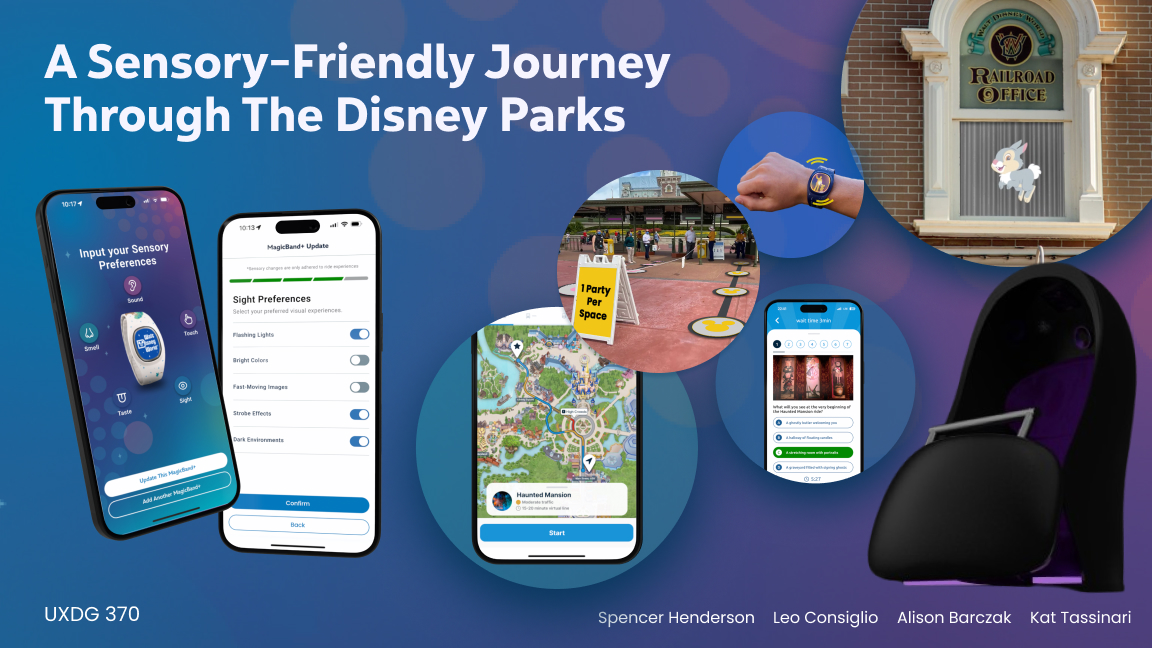
The Solution: Inclusive, sensory-friendly solutions integrating with existing Disney technology including interactive signage, customizable sensory settings, traffic management, and ride vehicle controls.
The Impact: Demonstrated comprehensive UX research methodology with vulnerable populations and created framework for inclusive theme park design that benefits all guests.
Research & Discovery
Approximately 15 million guests visit Disney Parks annually with Sensory Processing Disorder, finding the experience overwhelming and limiting their ability to fully enjoy the magic.
Research Methodology
Our research approach combined quantitative data collection with qualitative insights to understand the full scope of sensory challenges in theme park environments.
Key Research Methods
- Surveys with Disney guests who have sensory sensitivities
- 15 in-depth interviews over two weeks with experts and individuals with SPD
- Secondary research on theme park accessibility standards
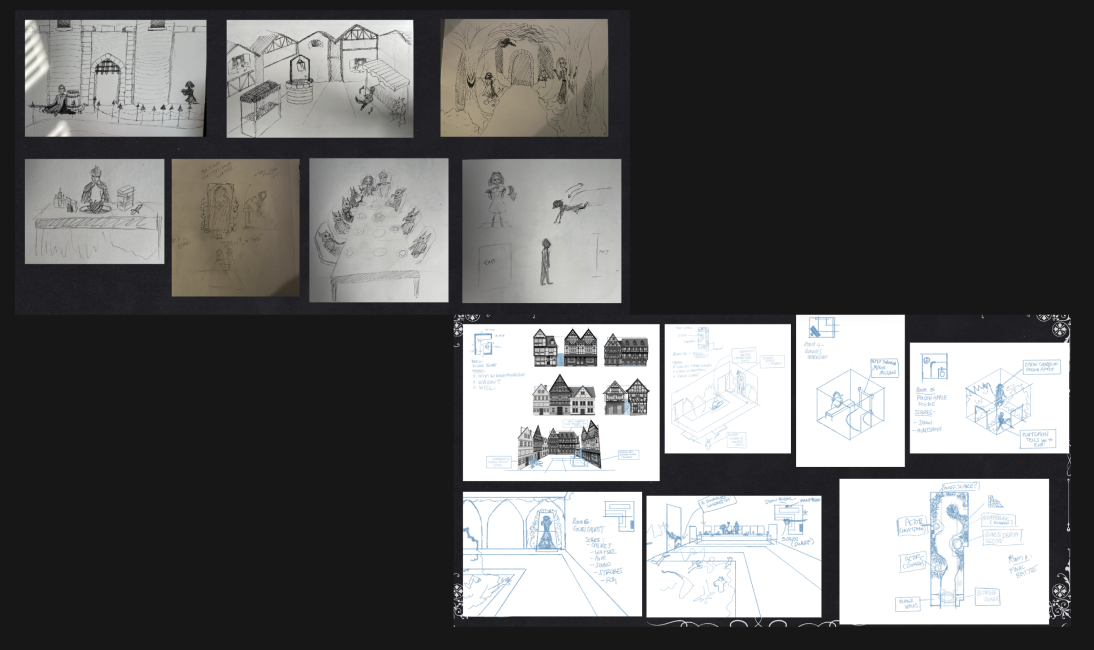
- Journey mapping to identify pain points throughout park experience
Interview Skills Development
This project significantly improved my ability to conduct sensitive interviews with vulnerable populations, learning to put participants at ease and gather authentic insights.
User Journey Maps & Research Methodology Documentation
80%
of surveyed guests found existing accommodations unhelpful
75%
said adverse sensory experiences affected their visit
15M
annual Disney guests with Sensory Processing Disorder
"They love to visit Disney World with their friends and go on rides. We were amazed to realize that they feel shame and guilt for missing out on theme park experiences with their friends due to overstimulation and sensory overload."
— Insight from interviewing Hunter, college student with ASD and SPD
Problem Definition
How might we create an inclusive and magical experience by integrating existing tech without overwhelming the senses?
Strategic Approach
We focused on creating solutions with varying implementation costs, from quick wins to north star concepts that could benefit broader guest populations.
Design Principles
- Preserve Disney Magic: Maintain enchantment while reducing sensory overwhelm
- Integrate Seamlessly: Work with existing MagicBand and MyDisneyExperience technology
- Empower Choice: Give guests control over their sensory environment
- Universal Benefit: Design solutions that enhance experiences for all guests
Scope Considerations
We treated the entire park experience as a holistic UX challenge, considering the complete user journey rather than isolated touchpoints.
Problem Framework & Design Principles Visualization
Solution Design
Five interconnected solutions targeting the entire park experience as a comprehensive UX ecosystem.
Interactive Sensory Signage
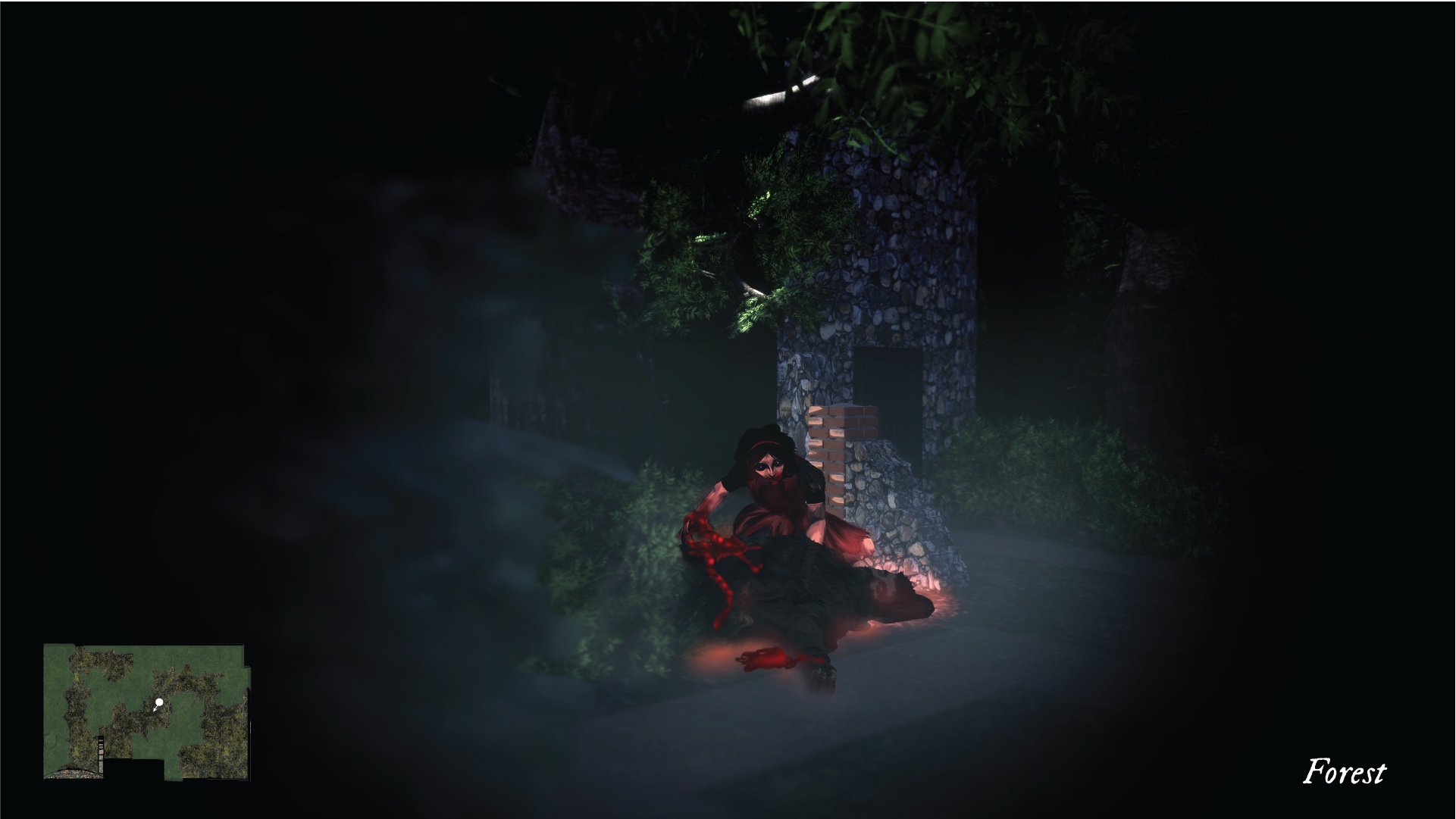
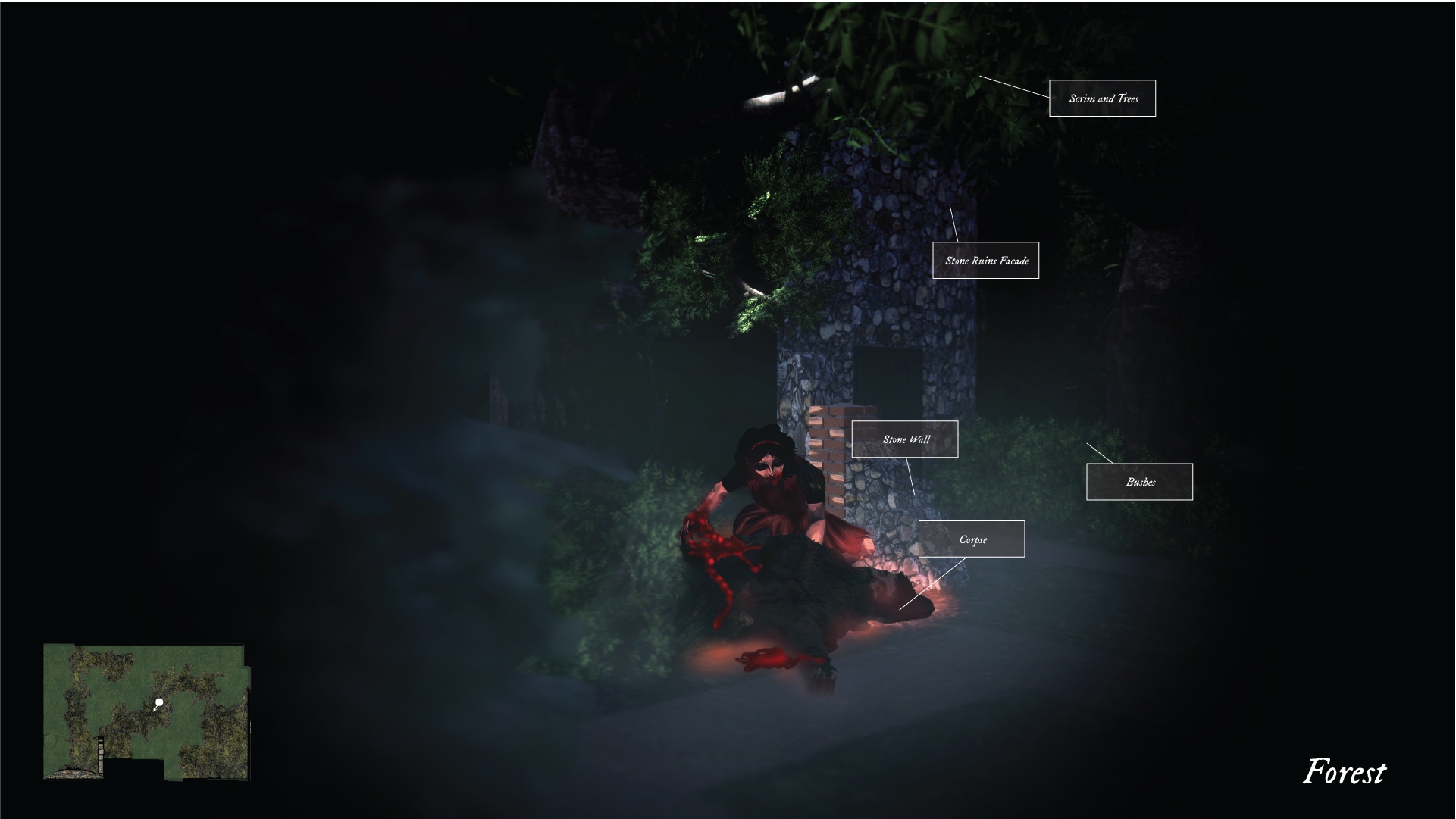
Dynamic park signage featuring favorite characters providing directions, integrated with MyDisneyExperience App navigation. Quick usability testing revealed important considerations like user height affecting interaction design.
Sensory Preference Settings
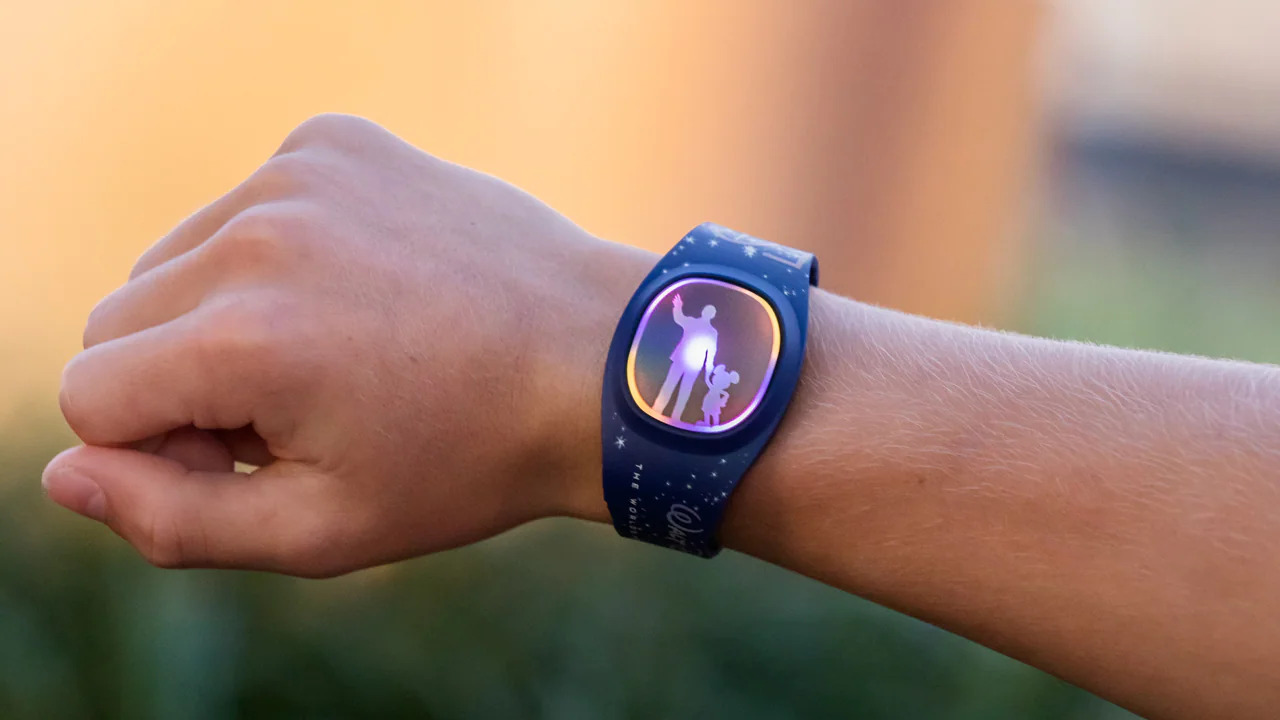
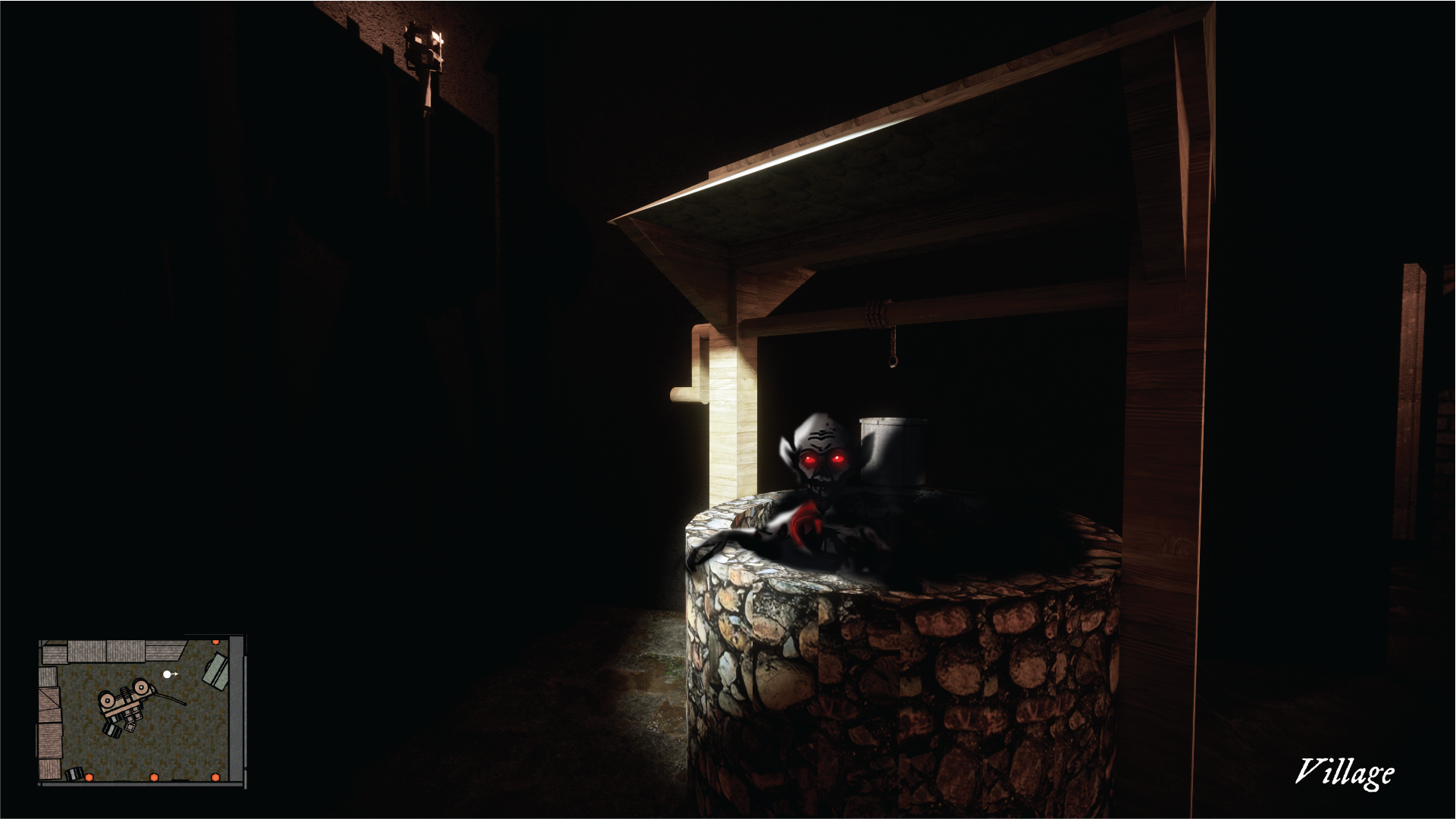
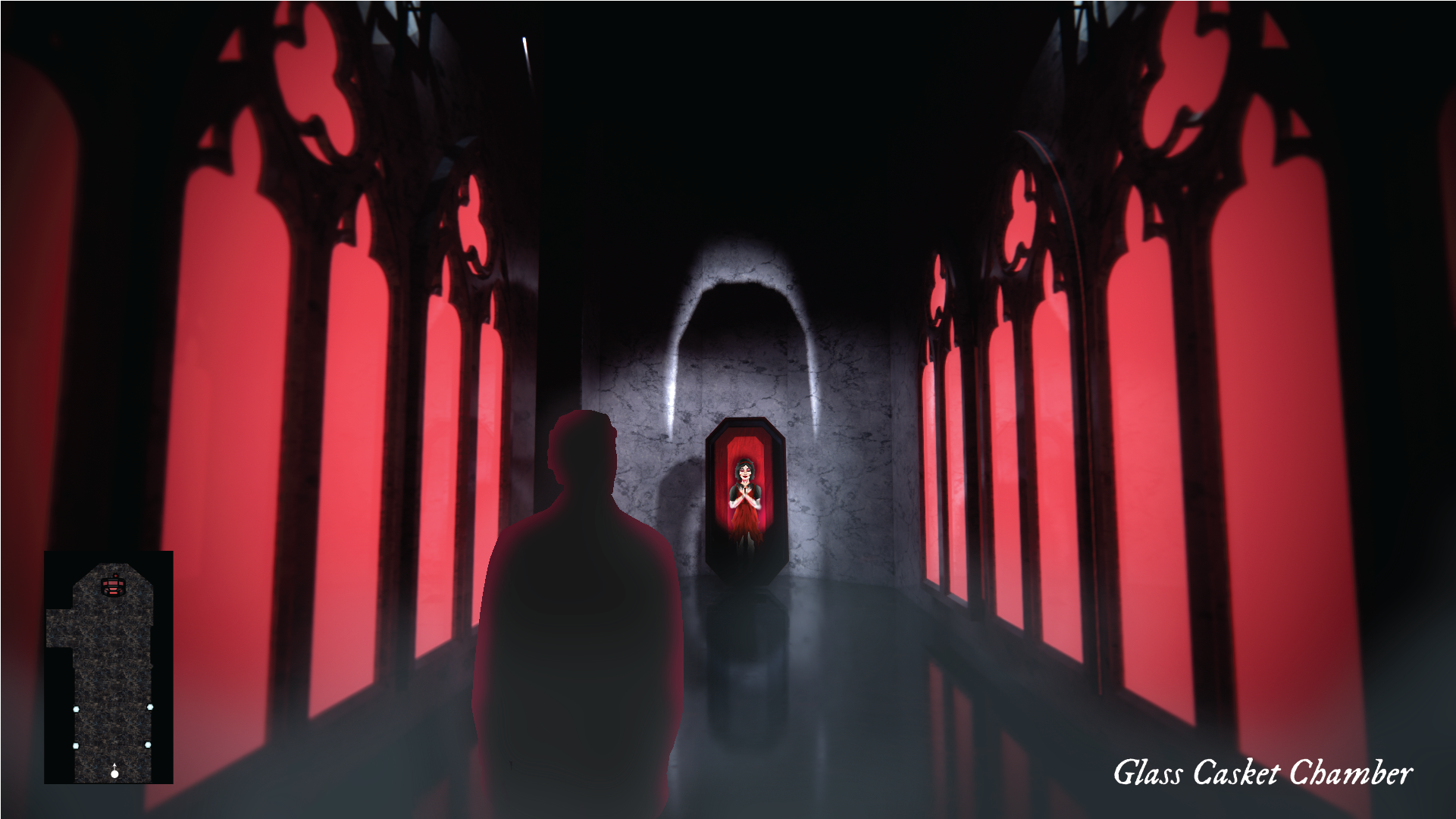
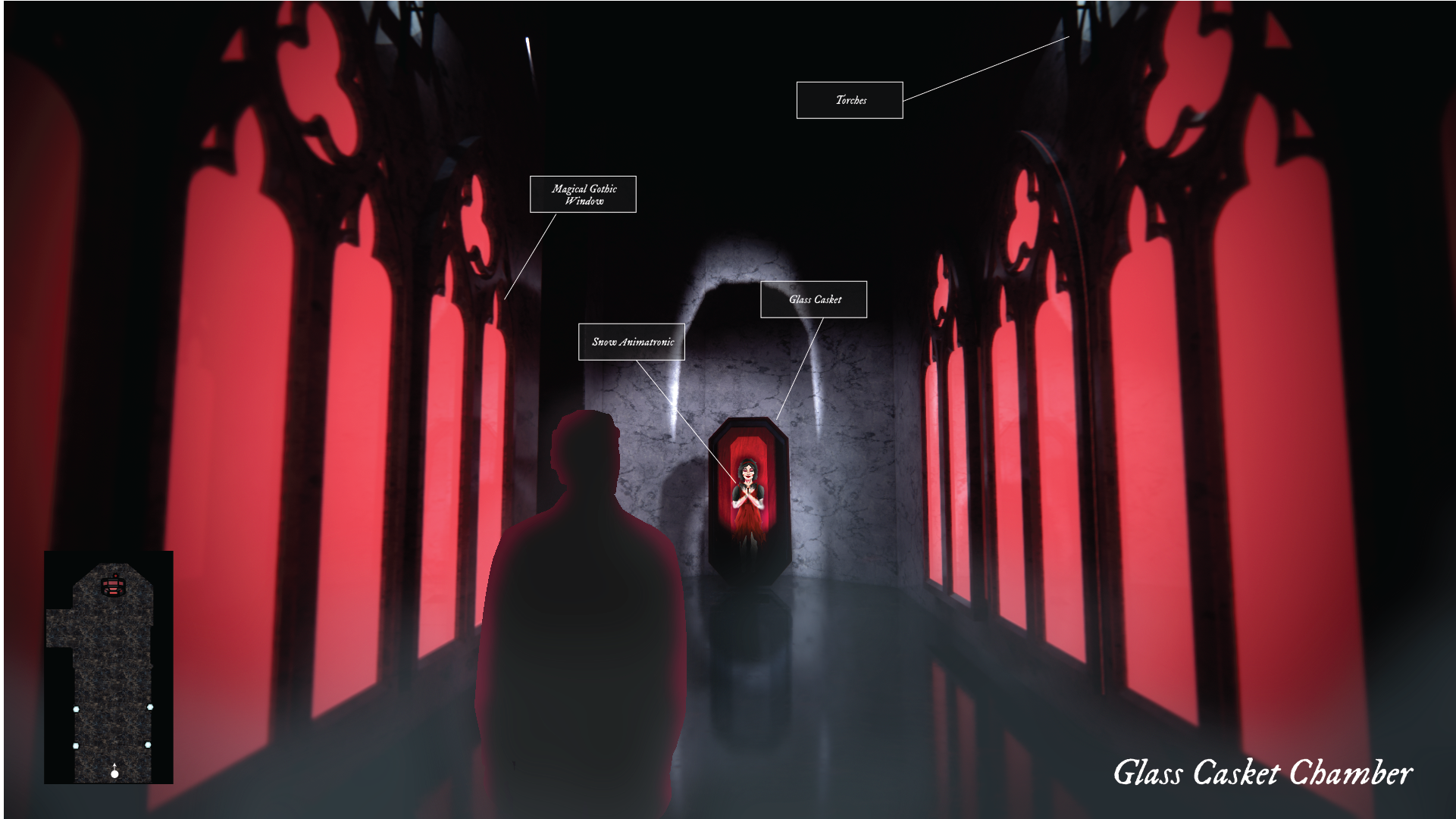
Customizable MagicBand+ system allowing guests to adjust haptic feedback, light-up effects, and audio cues. Settings sync with ride experiences to reduce unexpected stimuli while preserving Disney magic.
Entrance Traffic Management
Optimized park entry processes with staggered arrivals and quiet entry zones, designed to minimize overwhelming first impressions for neurodivergent guests.
Ride Vehicle Immersion Controls
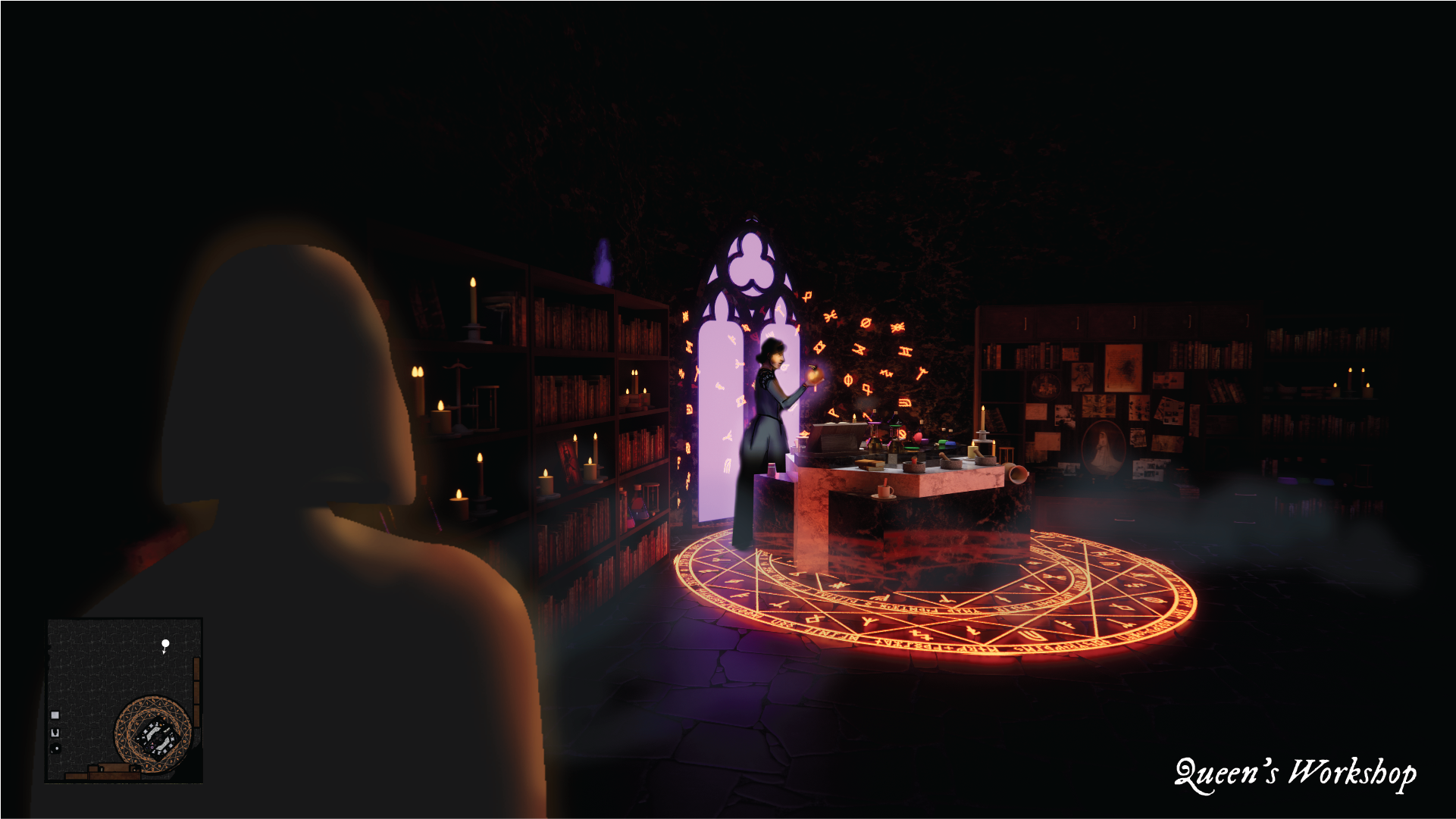
Prototype system allowing individual guests to control lighting, audio, and motion intensity during rides without disrupting the experience for other guests.
Design Process
Discover: Generative Research
Conducted extensive surveys and secondary research to identify major pain points for people with sensory sensitivities in theme parks.
Define: Interviews & Journey Mapping
15 interviews over two weeks with experts and individuals with SPD. Created detailed user personas and storyboarded the complete customer journey.
Develop: Solution Ideation
Focused on creating solutions with varying implementation costs, balancing quick wins with ambitious north star concepts.
Deliver: Prototyping & Testing
Rapid prototyping and usability testing revealed unexpected insights about functionality and accessibility considerations.
Impact & Validation
Solution Validation
User testing showed positive response to character-integrated signage, strong preference for granular sensory controls, and confirmation that universal design benefits all guests.
Stakeholder Reception
The comprehensive approach resonated with accessibility advocates, theme park industry professionals, and families with neurodivergent members.
Project Management Impact
Successfully coordinated cross-functional team across UX research, concept development, and prototyping while managing project scope and timeline constraints.
Research Methodology Excellence
Demonstrated effective research methods for sensitive user populations and created framework for inclusive theme park design.
Key Learnings
Scope Management is Critical
This project was ambitious in scope, which meant some solutions received less attention than others. This taught me the importance of manageable scope planning and strategic prioritization to ensure thorough development of key concepts.
Interview Skills Development
I refined my interview techniques for sensitive topics, learning to put participants at ease and ask better follow-up questions. This skill development was particularly rewarding and impactful for gathering authentic insights.
Inclusive Design Benefits Everyone
Solutions designed for neurodivergent users often improve the experience for all guests, demonstrating the power of inclusive design thinking in creating universally better experiences.