SCAD Fabrication Labs
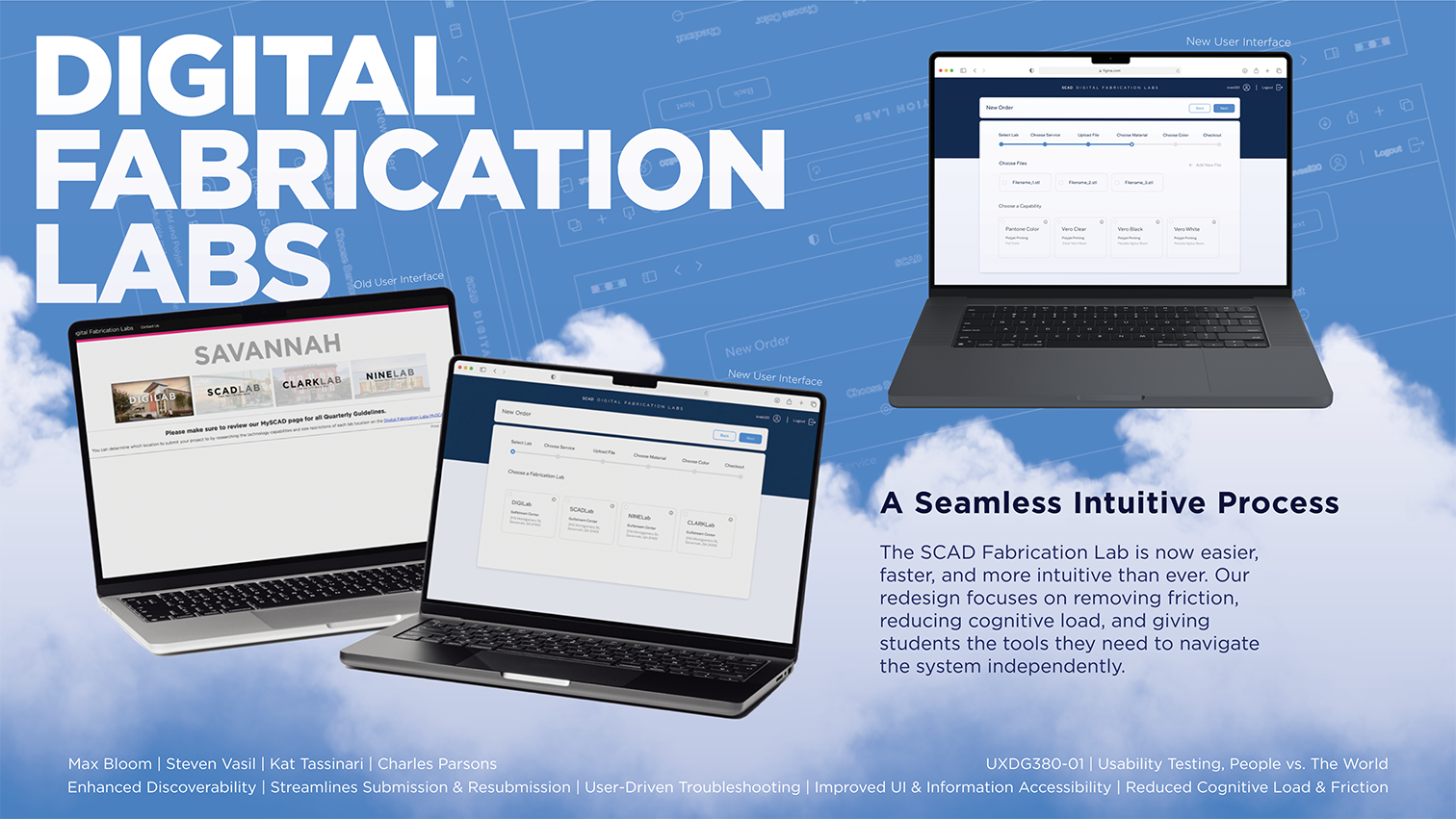
SCAD Fabrication Labs: Usability Testing Study and Redesign
"Transforming Student Experience Through Evidence-Based Design"
The Research Foundation
Discovering the Problems
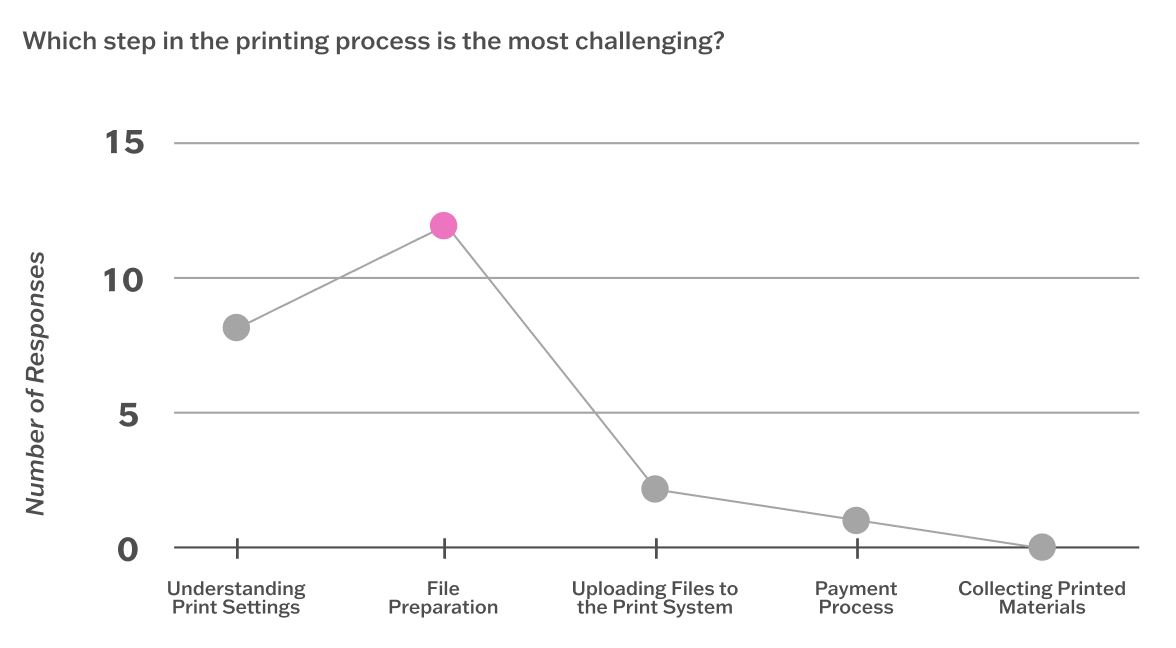
Our initial research revealed critical usability failures:
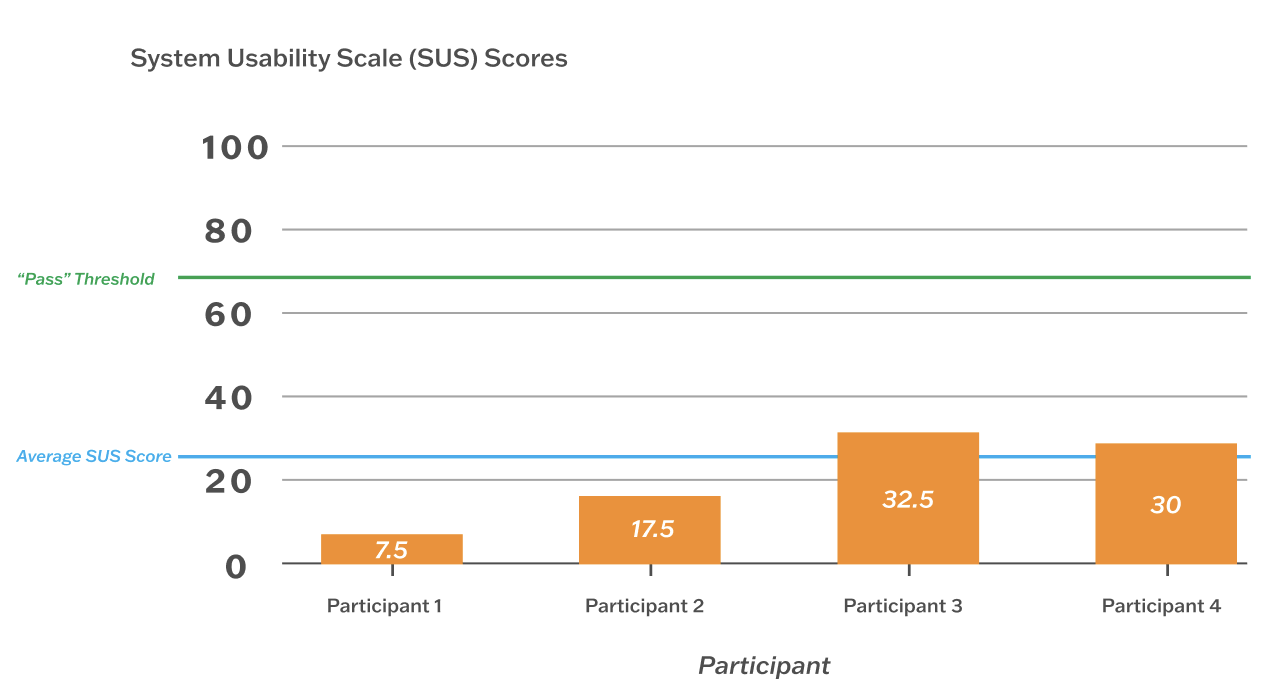
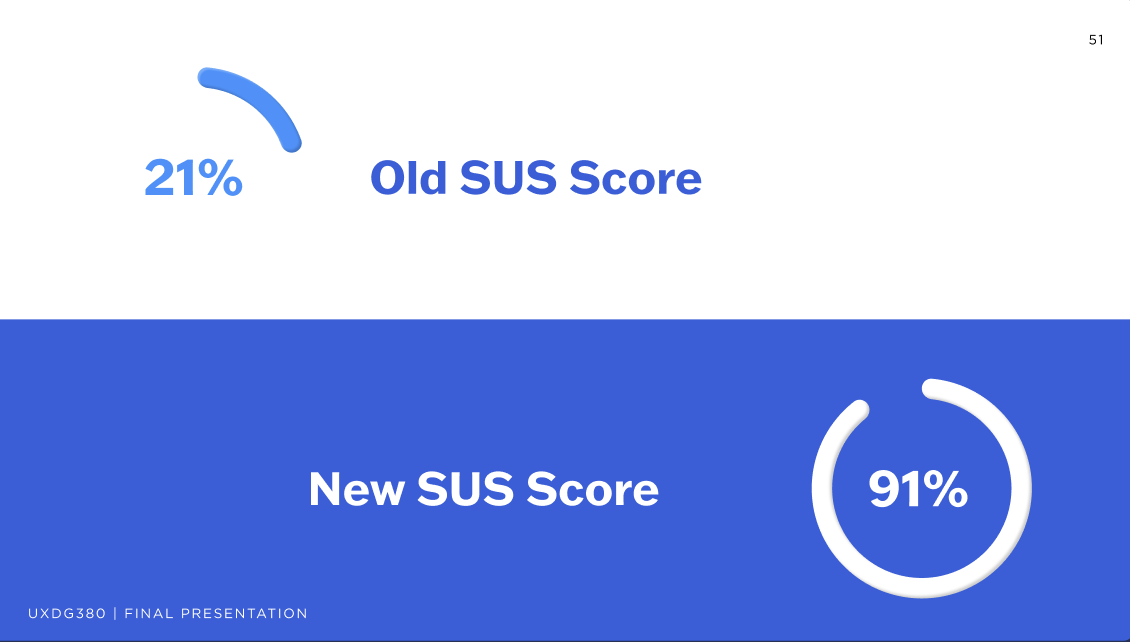
- SUS Score: 21.875/100 (well below industry standard of 68)
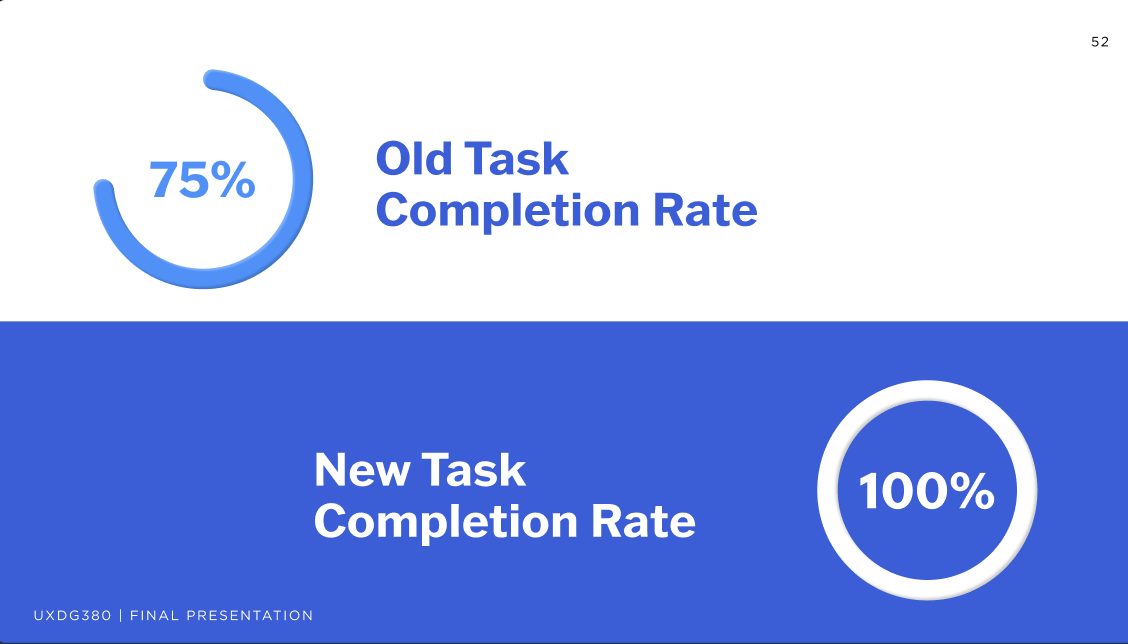
- 0% task completion for color selection across all participants
- Counter-intuitive finding: Daily users reported lower satisfaction than occasional users
Research Methods
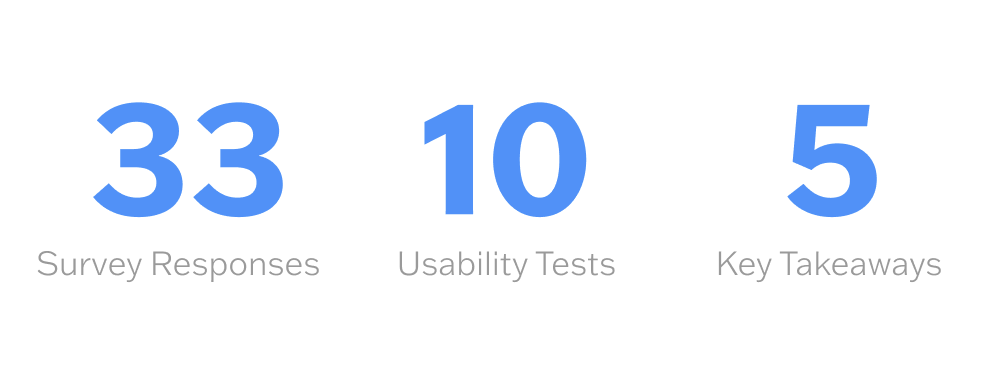
33 Survey Responses provided quantitative baseline data5 Usability Tests with participants across experience levels revealed specific failure pointsMixed-Methods Approach combining task analysis, time-on-task measurement, and qualitative feedback
Key Finding: File preparation and color selection emerged as the primary pain point, corroborated across both survey data and usability testing.


From Insights to Information Architecture
Mapping the Chaos
The process photos reveal our systematic approach to understanding and restructuring the system:
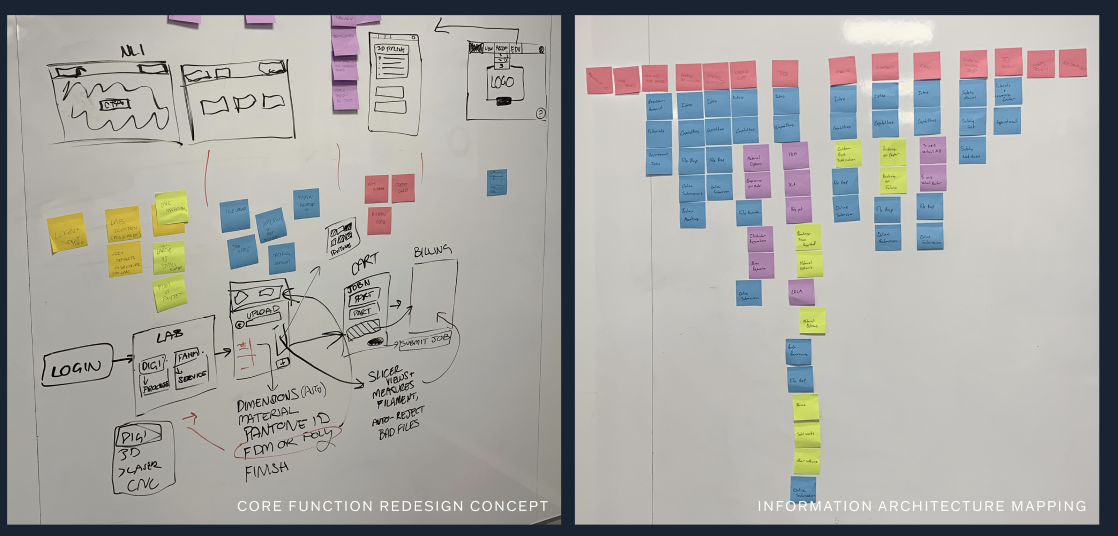
Core Function Redesign Concept - We mapped out the existing fragmented workflow, identifying disconnections between file upload, color assignment, and submission processes.
Information Architecture Mapping - Using affinity mapping techniques, we organized user feedback and pain points into coherent themes, revealing patterns in user confusion and system failures.
The Breakthrough Moment
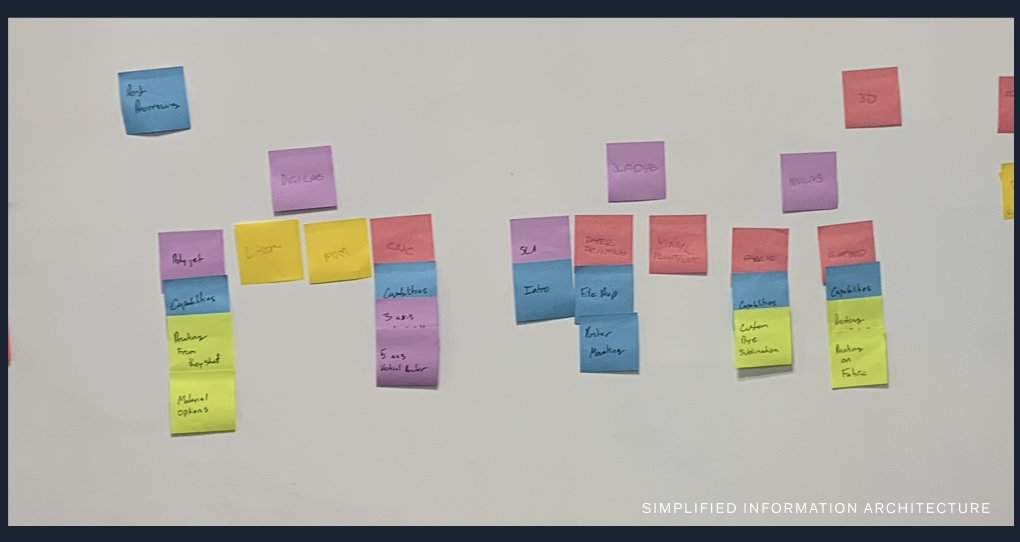
Simplified Information Architecture - The breakthrough came when we realized users weren't just struggling with interface elements—they were lost in a fundamentally broken information structure. Our IA work showed how to consolidate scattered processes into logical, sequential steps.
The Redesign Process
Redesigned User Flow and IA

Our process documentation shows the evolution from a chaotic multi-platform experience to a streamlined, unified workflow:
Before: Users jumped between multiple systems, lost track of submission status, and couldn't understand the relationship between files and color assignments.
After: A single, guided workflow that maintains context throughout the entire process, with clear progress indicators and immediate feedback.
Core Design Principles
- Consolidate Related Tasks - File upload and color selection now happen in the same interface
- Maintain Context - Users can see all their files and color assignments simultaneously
- Provide Clear Feedback - Real-time validation and progress tracking
- Enable Recovery - Easy ways to modify or correct submissions without starting over
Implementation Strategy
Impact vs. Effort Analysis
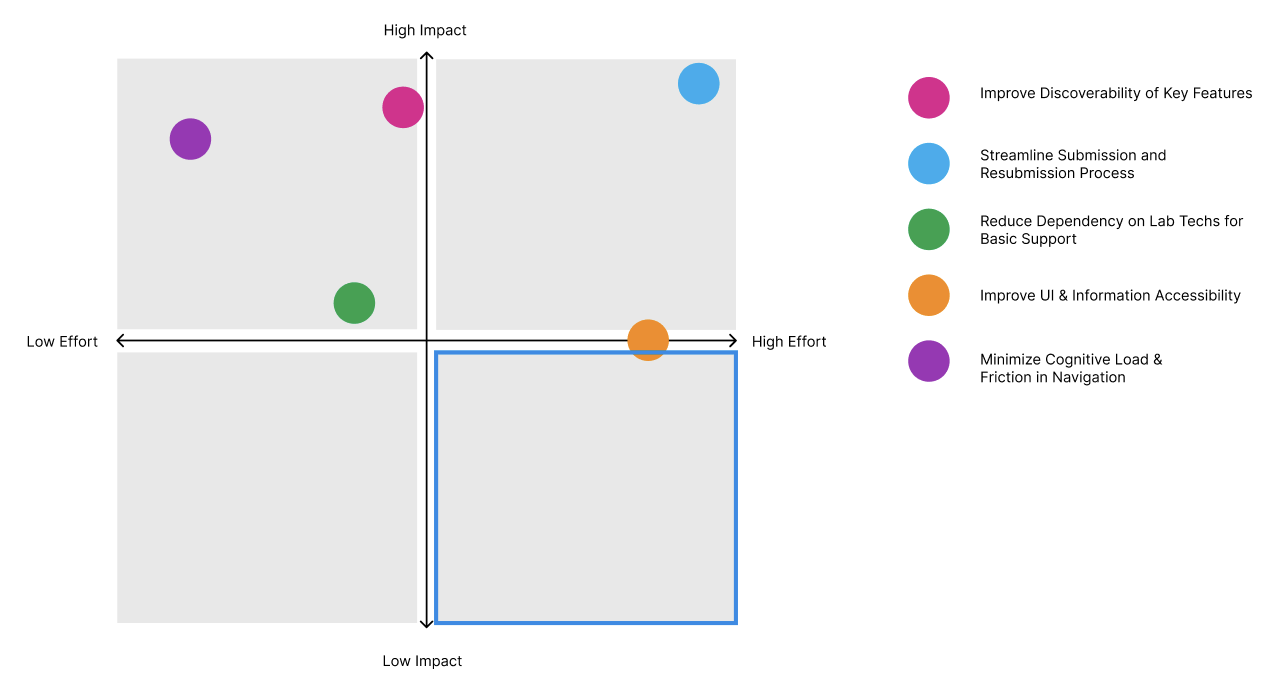
We prioritized improvements based on user impact and implementation feasibility:
High Impact, Low-Medium Effort:
- Streamlined navigation and cognitive load reduction
- Improved discoverability of key features
High Impact, High Effort:
- Complete submission process redesign
- Unified color selection interface
The Color Selection Solution

The 0% task completion rate for color selection demanded immediate attention. Our redesign:
- Integrated file and color workflows instead of separating them
- Visual color picker with direct Pantone integration
- Clear file-to-color mapping with preview capabilities
- Ability to modify selections without restarting the process
Validation and Results
Dramatic Improvements
Real User Impact
The redesigned system eliminated the complete task failure that plagued the original interface. Users can now:
- Complete complex multi-file, multi-color submissions independently
- Understand system status and next steps at all times
- Recover from errors without losing work
- Access help and documentation contextually
Key Learnings
Research-Driven Design Works
The 0% task completion rate wasn't just a usability issue—it revealed fundamental problems in information architecture. Surface-level UI improvements wouldn't have solved the core workflow failures.
Process Documentation Reveals Patterns
Our extensive process mapping and affinity diagramming uncovered systemic issues that individual user feedback couldn't reveal. The physical artifact of organizing insights helped identify solution approaches.
Quantified Impact Validates Design Decisions
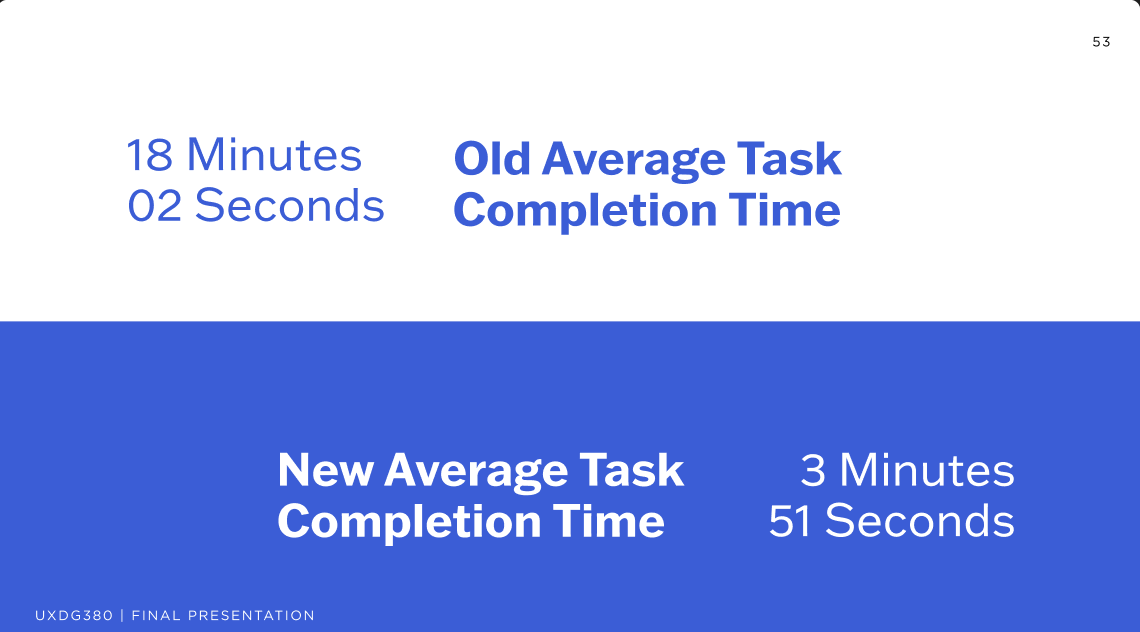
The dramatic improvement in measurable outcomes (91% SUS score, 100% task completion) validates that our research-driven approach addressed real user needs rather than assumed problems.
Conclusion
This project demonstrates how rigorous UX research can transform fundamentally broken systems. By starting with evidence, mapping complex problems systematically, and validating solutions with real metrics, we turned a system with severe usability failures into one that empowers students to work independently and efficiently.
The process photos document not just a redesign, but a complete reimagining of how students interact with fabrication lab resources—proving that good UX research creates better experiences for everyone.