Deloitte x SCADpro
VR Experience for Gen Z in Oil & Gas Industry
"Bridging the Talent Gap Through Immersive Technology"
This project is currently under confidentiality agreement. Content has been generalized to respect NDA requirements.
Project Overview
My Role: Project Manager / Scrum Master
Team Size: 15 people from different disciplines
Timeline: 10-week collaboration (Winter 2024)
Technology: Virtual Reality, Gamification
The Challenge
The oil and gas industry faces a major workforce crisis due to mass retirements and limited Gen Z interest, creating a significant talent gap.
Industry Context
The oil and gas sector is experiencing unprecedented workforce challenges as baby boomers retire en masse while Gen Z talent remains largely unaware of industry opportunities.
Gen Z Engagement Challenge
Traditional recruitment methods fail to resonate with Gen Z candidates who expect technology-driven, interactive experiences that demonstrate career potential and industry innovation.
Opportunity Statement
How might we create an engaging, immersive experience that attracts Gen Z talent to the oil and gas industry while effectively assessing their skills in an intuitive and rewarding way?
Project Goals
- Engage Gen Z through innovative, technology-driven experiences
- Assess key competencies in a gamified environment
- Create scalable system for career events and recruitment
Research & Strategy
Collaborative research approach combining industry expertise with Gen Z insights to inform VR experience design.
Research Methodology
Working closely with Deloitte's team, we conducted comprehensive research to understand both industry needs and Gen Z preferences.
Key Research Activities
- Industry professional interviews to identify critical skills and competencies
- Gen Z focus groups to understand technology engagement preferences
- Career event analysis to identify traditional recruitment limitations
- Competitive research on gamification in recruitment
Strategic Insights
VR mini-games emerged as the optimal solution to engage candidates in skill-based challenges that mirror real-world industry work while providing recruiters with meaningful assessment data.
Project Management Approach
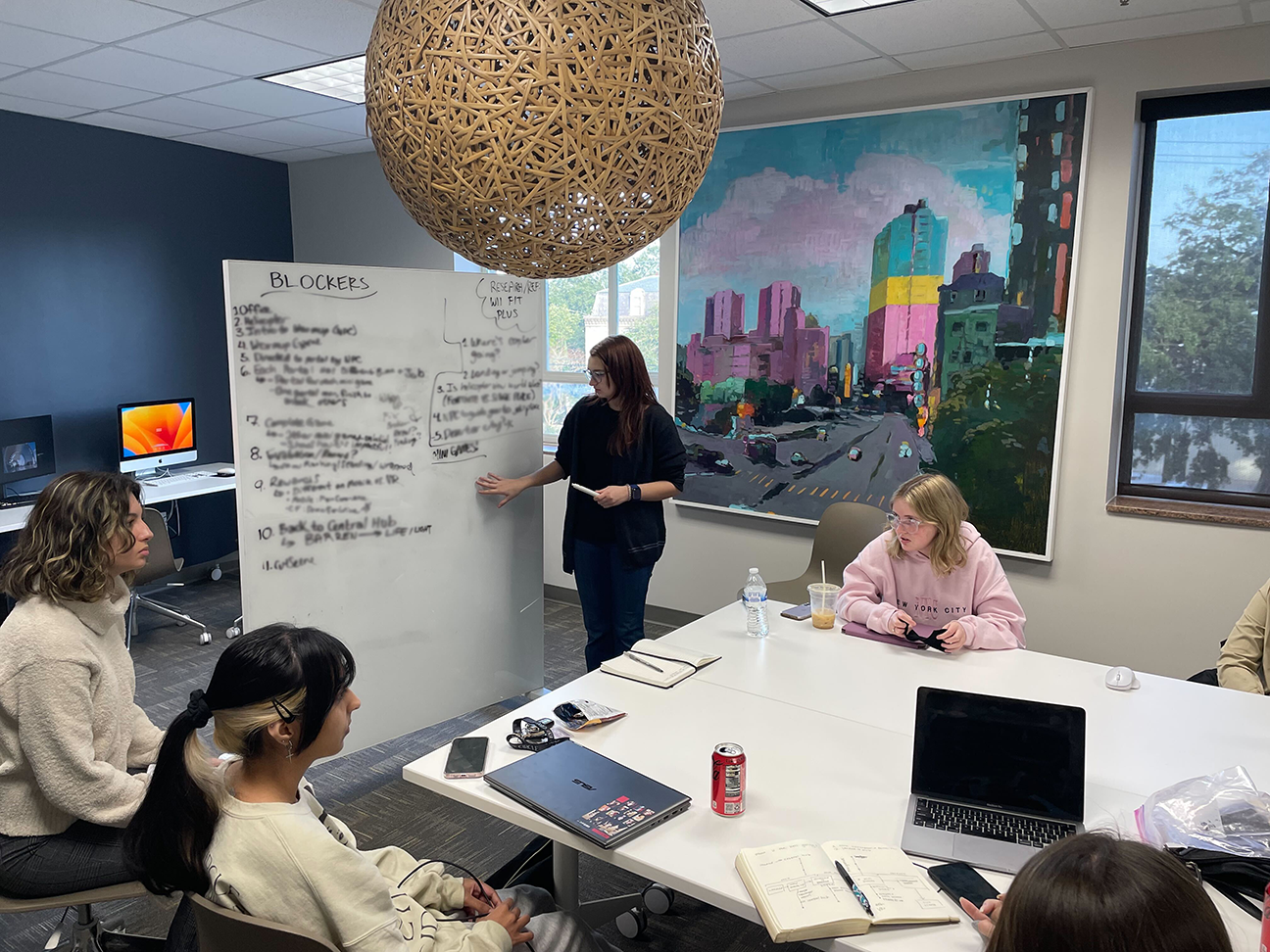
I hosted collaborative workshops and brainstorming sessions to explore innovative gamification approaches and facilitate alignment across our diverse 15-person team.
Solution Architecture
Multimodal VR experience centered around skill-assessment mini-games for key oil and gas industry roles.
Geologist Assessment
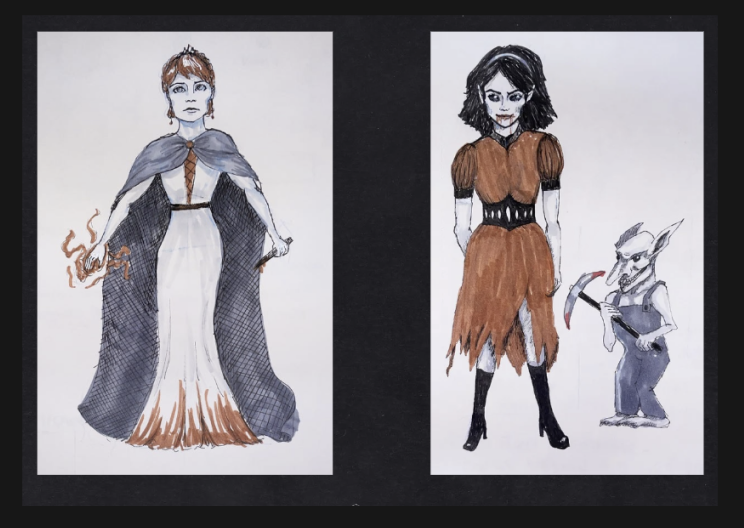
VR mini-game requiring candidates to analyze geological data, identify key resources, and make critical decisions under pressure, assessing data analysis and problem-solving skills.
Field Engineer Simulation
Emergency response scenarios requiring quick thinking and collaboration, testing technical skills and resource management capabilities.
Safety Engineer Challenges
Leadership and decision-making tasks assessing how candidates navigate complex safety situations and risk management scenarios.
Real-Time Assessment
Integrated feedback system providing recruiters with immediate insights into candidate strengths while giving participants understanding of skill application.
Information Architecture Leadership
I spearheaded the information architecture design for the mini-games, creating seamless flow with clear instructions, engaging visuals, and intuitive game mechanics.
Portal-Based Structure
Organized experience into different portals representing specific industry challenges, allowing candidates to progress through competency assessments that align with recruiter priorities.
User Experience Design
Designed system to provide real-time feedback helping candidates understand how their performance translates to real-world industry applications.
Development & Prototyping
Job Role Definition
Systematically defined target roles (Geologist, Field Engineer, Safety Engineer) and identified core competencies essential for each position.
Information Architecture & Storyboarding
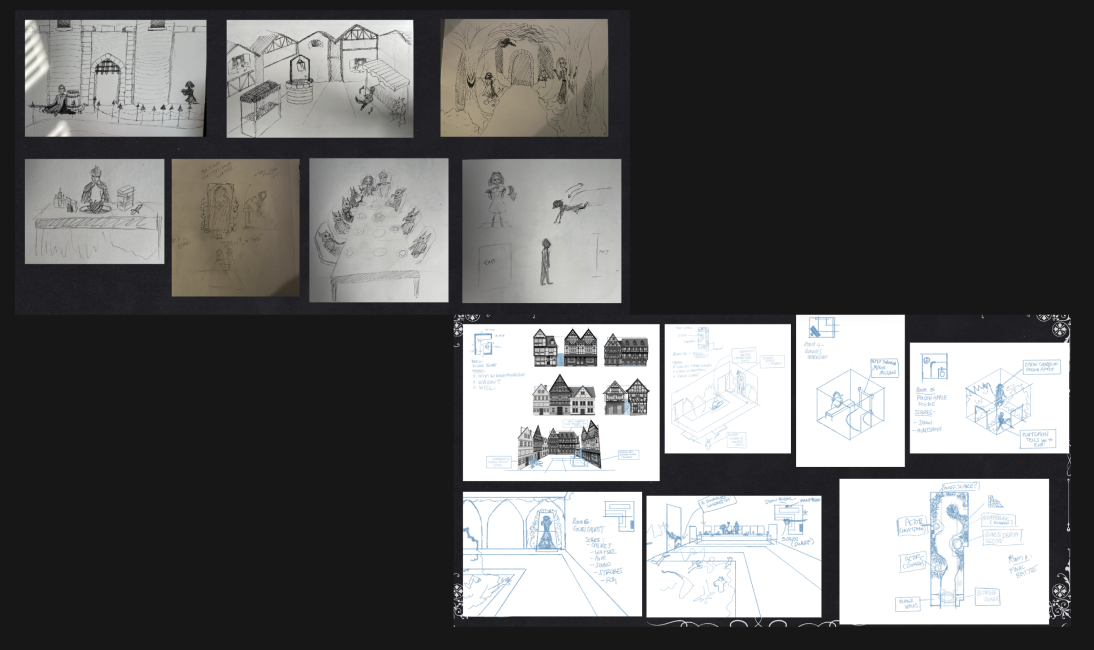
Created comprehensive content structure and user flow organization, then storyboarded each mini-game detailing scenarios, mechanics, and interactions.
Figma Prototype Development
Built playable prototype focusing on geologist role flow, creating clickable simulation to test core mechanics and user experience before VR development.
VR Experience Refinement
Translated Figma prototype into immersive 3D VR environment, optimizing hand-tracking interactions and spatial design for geological analysis tasks.
Testing & Validation
User Testing Strategy
Conducted comprehensive user testing with college students to assess VR mechanics, gather insights on game interactions, and identify areas for improvement.
Key Findings
- VR mechanics were engaging but required clearer instruction systems
- Object manipulation complexity initially challenged users in VR navigation
- Tutorial process needed refinement for step-by-step mechanic introduction
- Difficulty balancing required adjustment to feel rewarding but not frustrating
Iteration Implementation
Based on testing feedback, I refined tutorial processes and adjusted challenge difficulty to ensure optimal user experience and skill assessment accuracy.
Final Demo Results
Deloitte team demo received exceptionally positive feedback, with stakeholders praising engagement factor and effective showcasing of industry skill requirements.
Leadership Learnings
Trust is Crucial in Collaborative Projects
This project reinforced the importance of trust within large, diverse teams. Managing 15 people from different disciplines required building strong, trusting relationships that were vital for overcoming obstacles and achieving project goals.
Brainstorming and Collaboration are Energizing
I greatly enjoyed facilitating brainstorming sessions and collaborative workshops. Working with a diverse team and facilitating idea exchange was both stimulating and rewarding, underscoring the power of collective creativity.
Information Architecture Leadership
Taking ownership of the information architecture design across multiple complex VR experiences taught me how to balance user experience design with technical constraints and stakeholder requirements.